I returned once again to the extraordinary multimedia and cultural event that transforms Cape Town every February. As a photojournalist accredited for Camerapixo, I immersed myself in a vibrant concentration of African art and international contemporary production that continues to expand in scale and ambition.
The Investec Cape Town Art Fair 2025 clearly embraced its philosophy of celebrating art, creativity, and exploration through the power of play. It remains the largest contemporary art fair on the African continent, hosting 124 exhibitors from around the world, including leading galleries from Europe and the United States. For the first time, galleries from Tokyo and Kuwait City participated, while 30 exhibitors joined as newcomers — the largest group of first-time participants in the fair’s history. At the same time, more than half of the galleries returned, drawn by Cape Town’s dynamic art scene and its reputation as a key hub on the continent.
The SOLO section was curated by independent consultant and curator Céline Seror, while the Generations section was curated by Egyptian curator, writer, and researcher Heba El Kayal from Cairo. The Lookout section continued to highlight emerging galleries operating for less than five years. The fair also presented the second iteration of its “Cabinet” series, Cabinet/Trophy: Playing the Field, curated by Exhibition Match (Alexander Richards and Dr Phokeng Setai). Through the Unbound City public programme, the fair extended beyond its grounds, activating the city centre and surrounding areas, including an after-hours Art Fair Hub.
Art may not save humanity from self-destruction, but it offers pleasure to many and economic opportunity to some. African artistic production has generated global interest for decades. Personally, I was captivated by African statues and masks from the first moment I encountered them. Painting and photography have flourished more recently, gaining increasing visibility, and this year’s fair once again served as a powerful springboard.
The program built upon the innovative structure introduced last year, expanding even further. With over 100 galleries and thousands of represented artists, the scale of the presentation was vast and carefully articulated across multiple sections. The works could be experienced individually, even without navigating the fair’s complex curatorial structure.
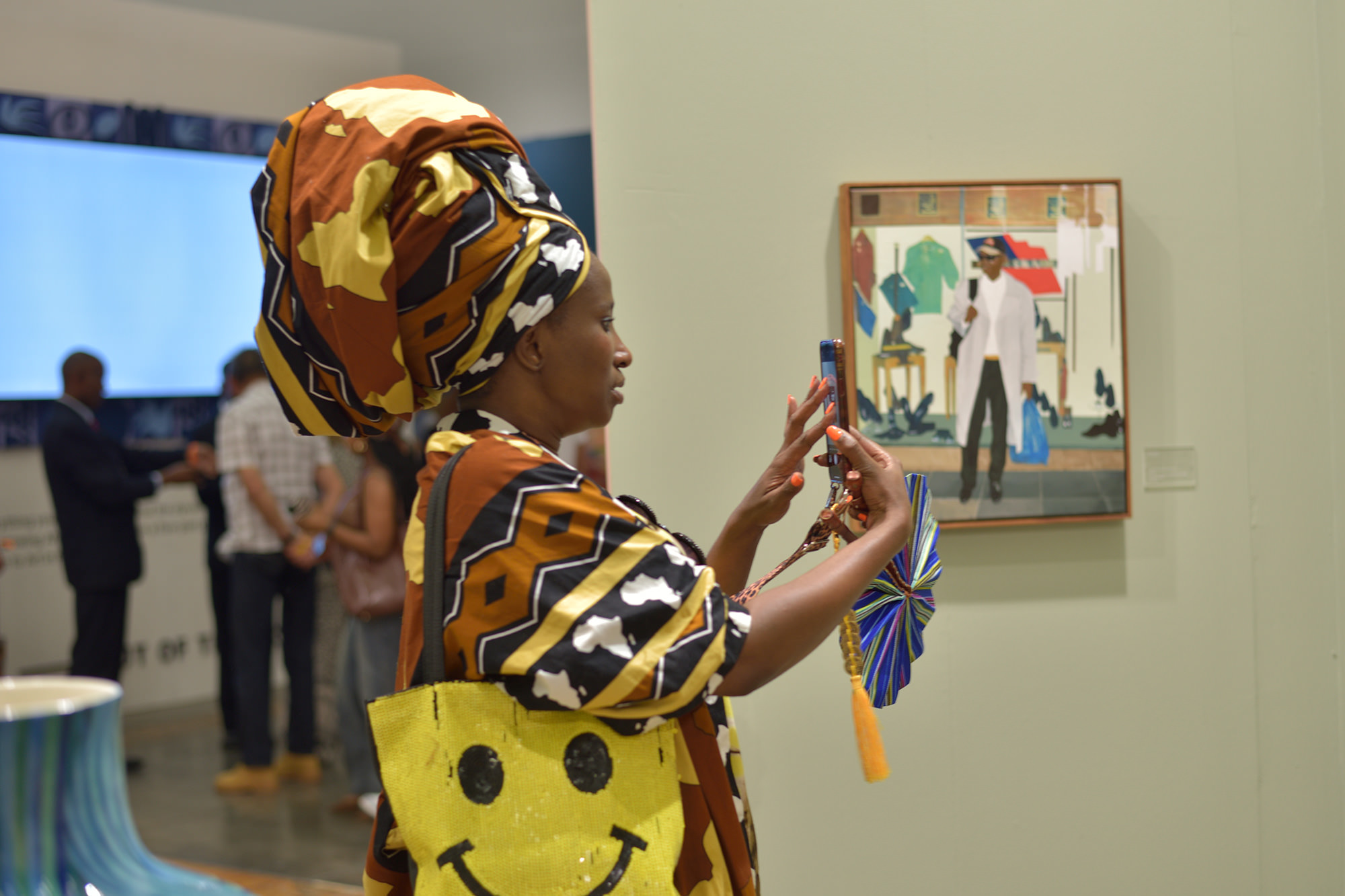
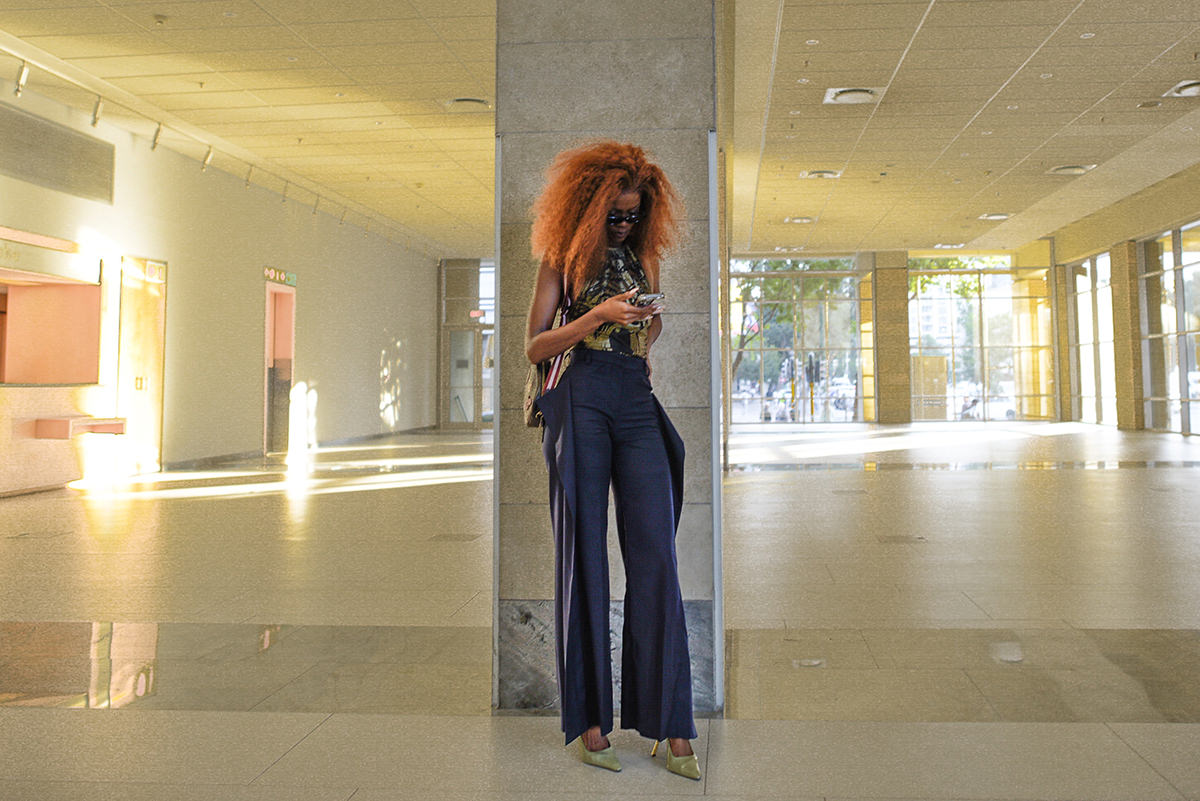
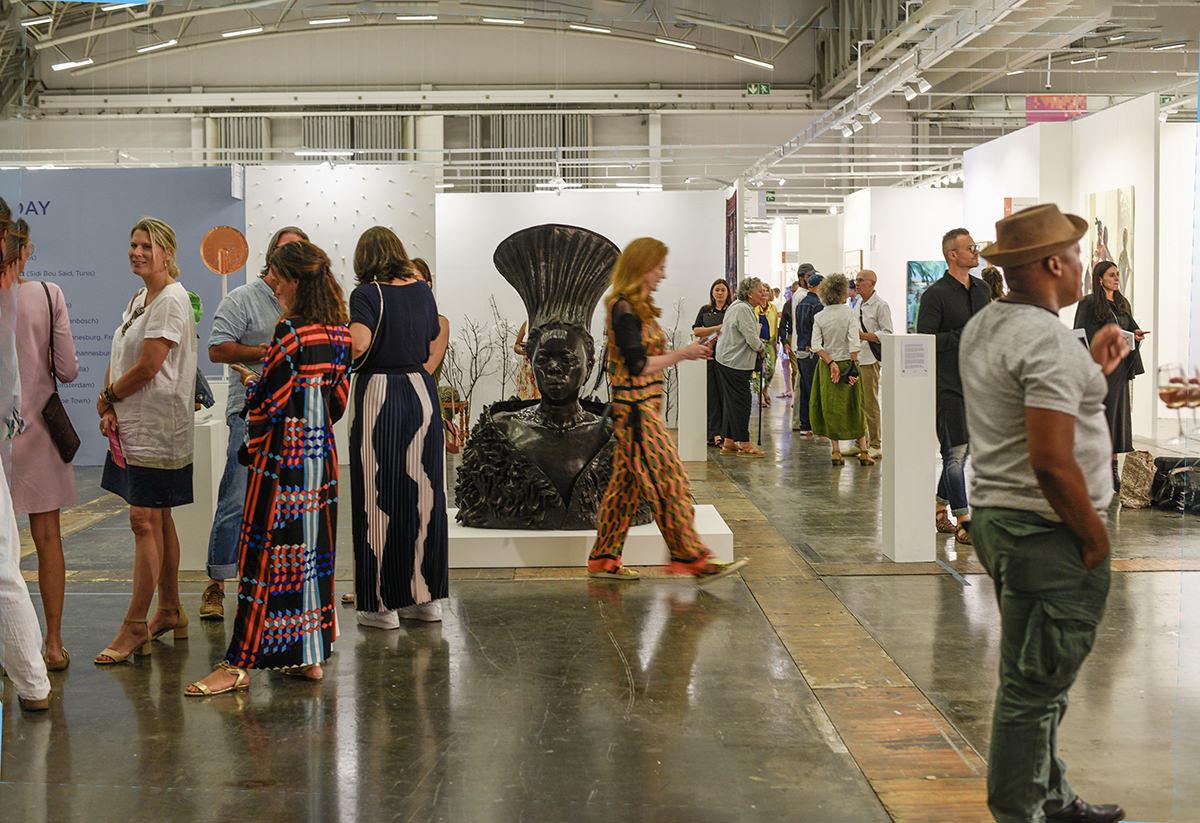
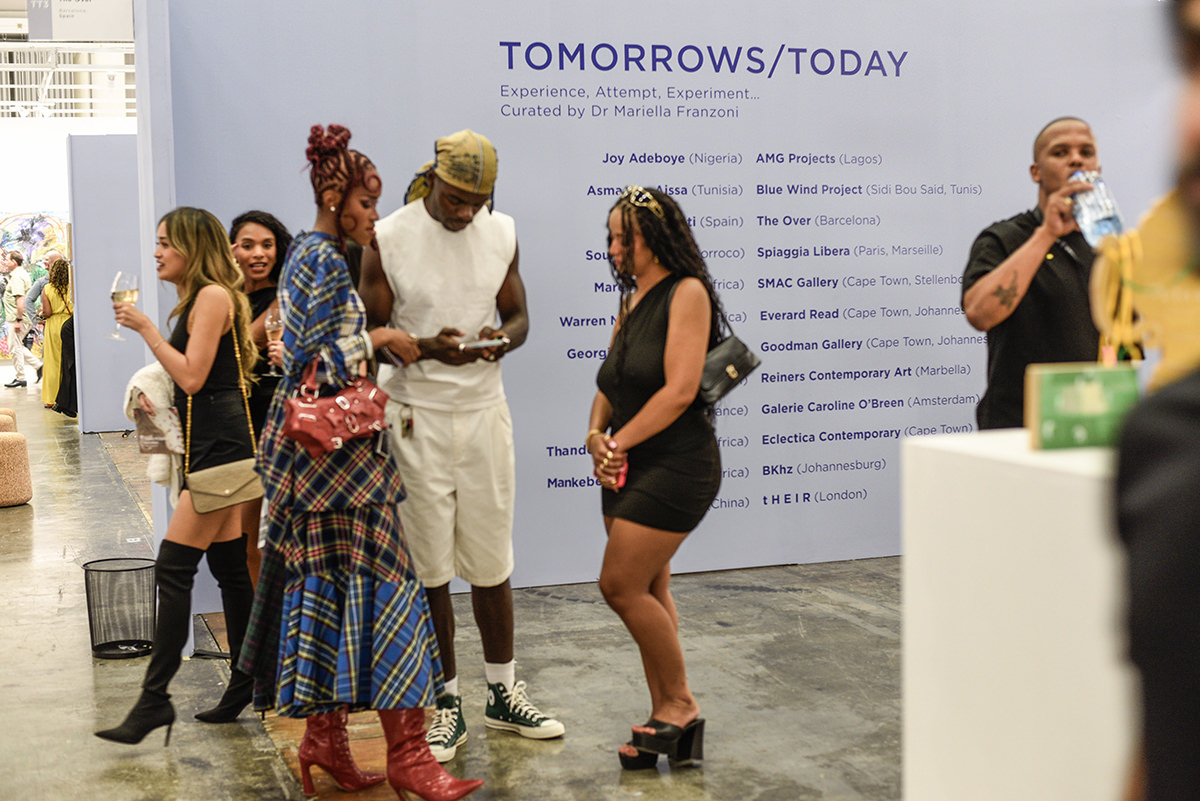
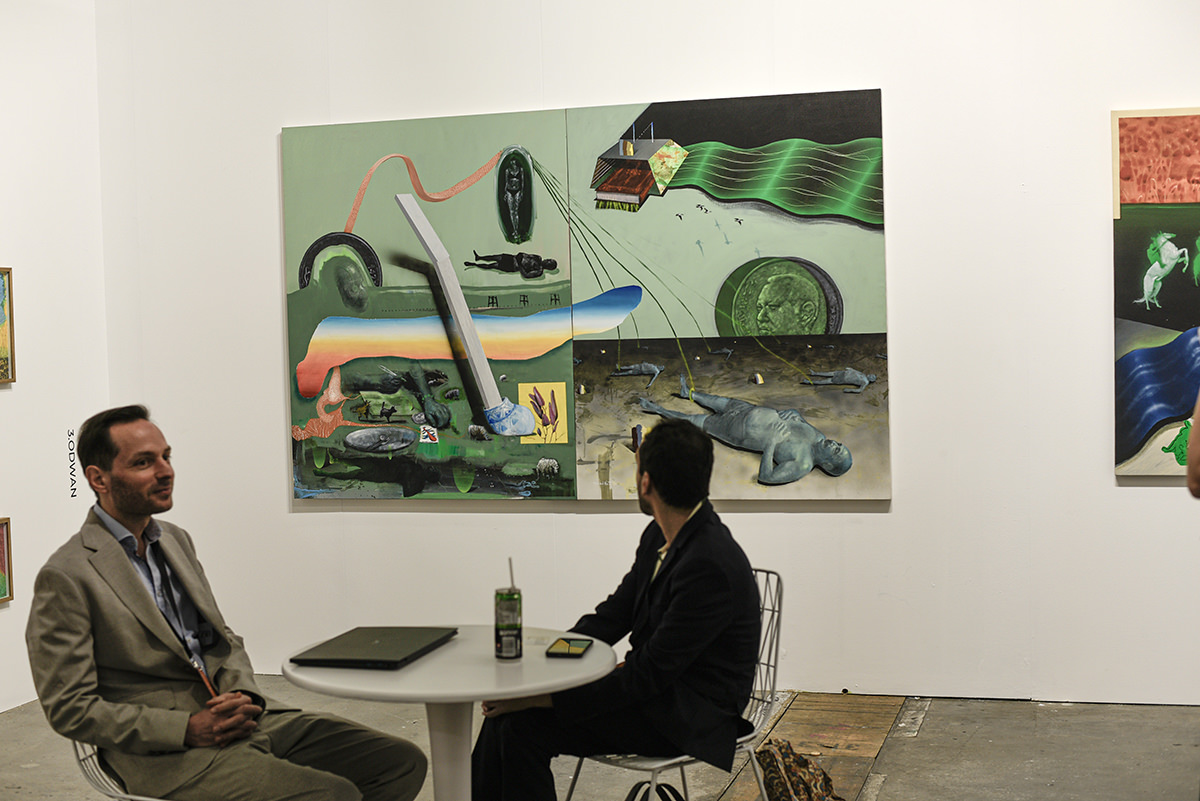
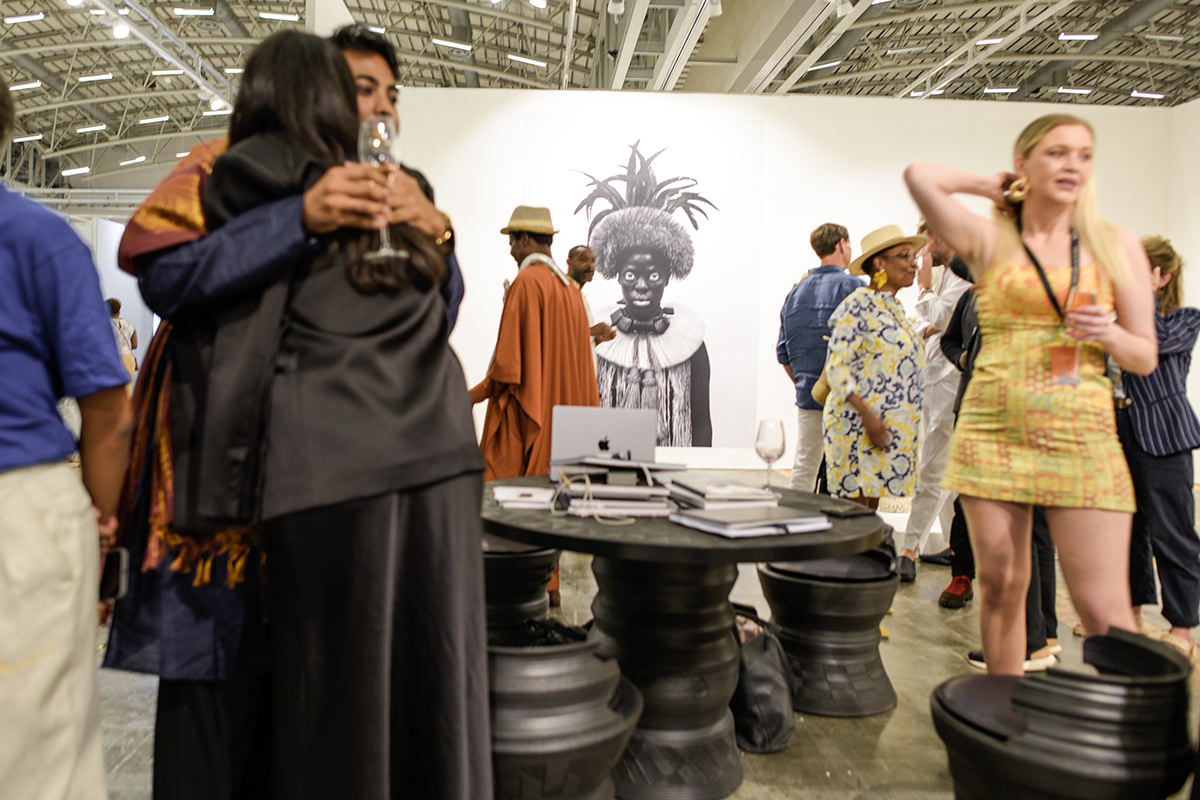
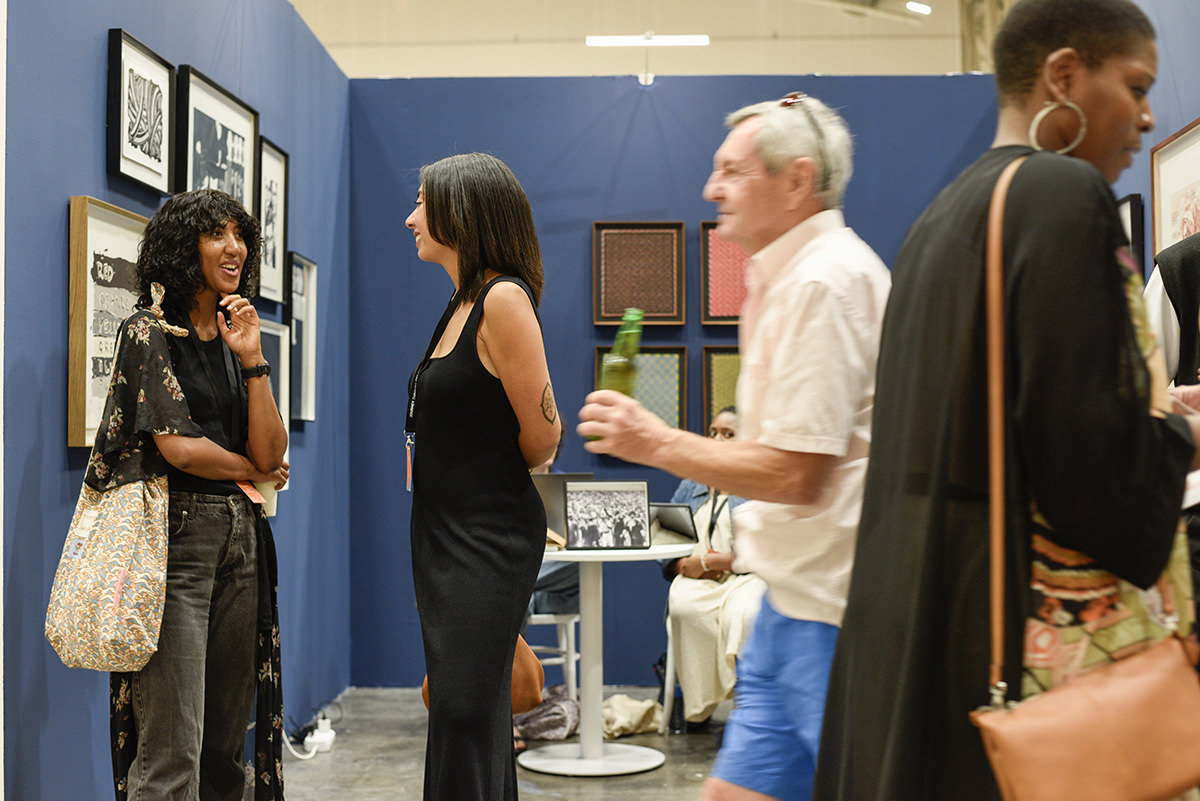
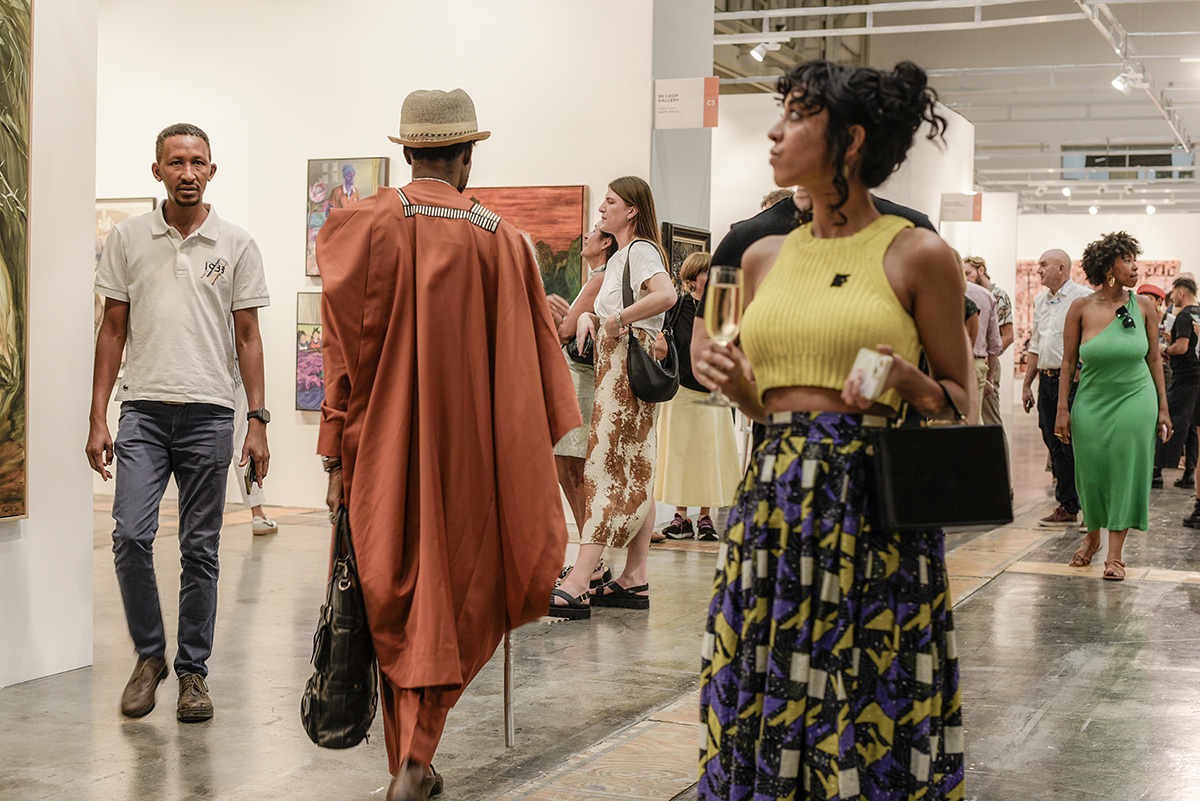
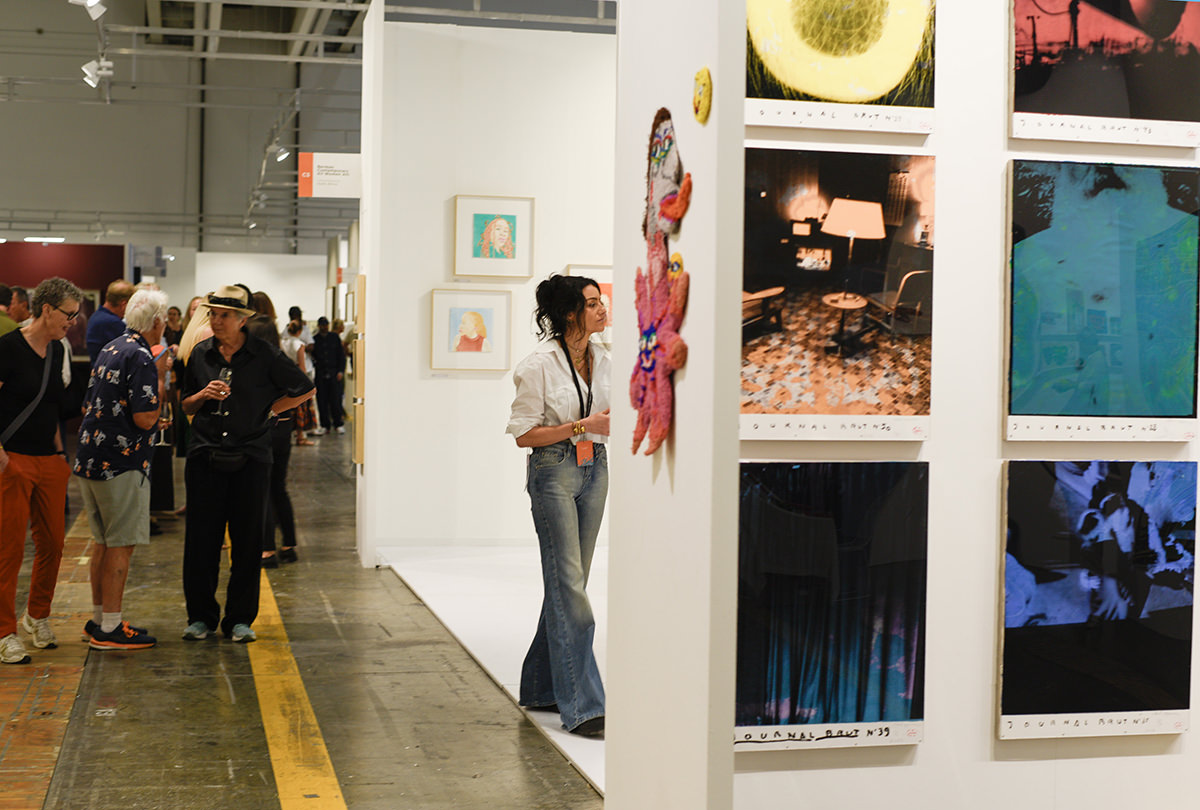
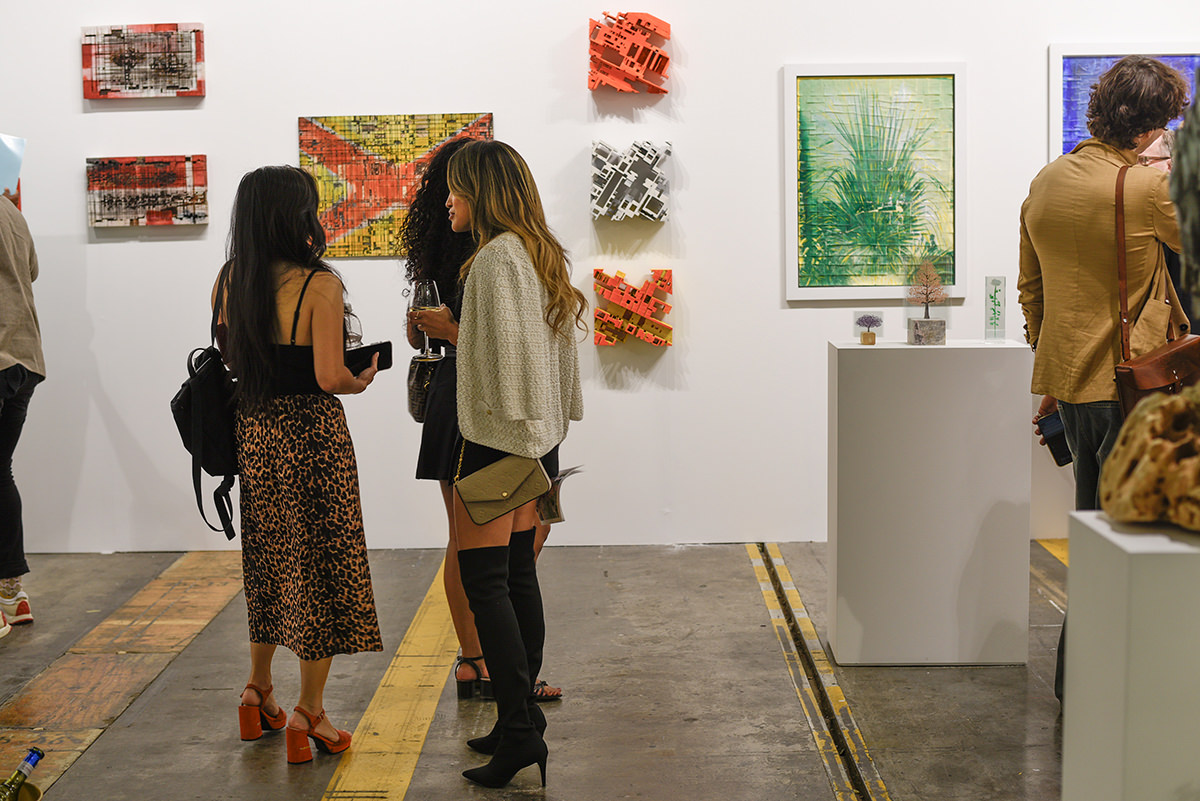
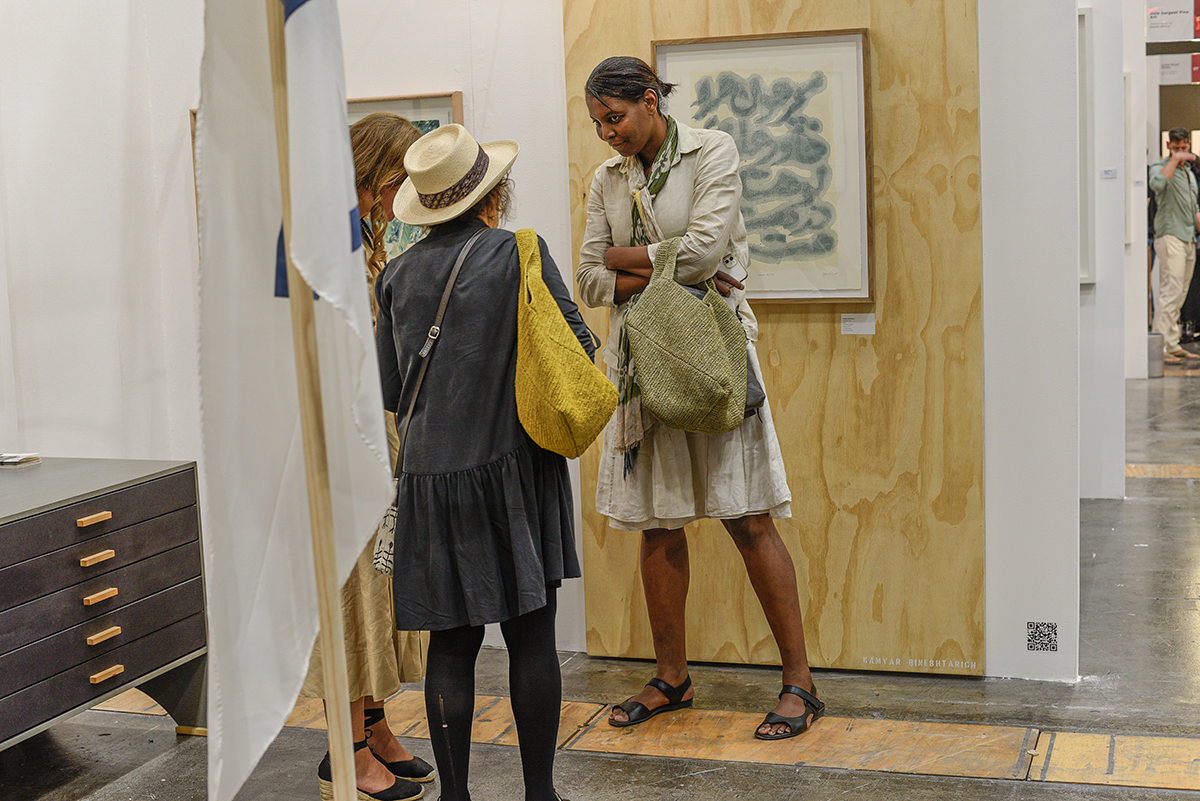
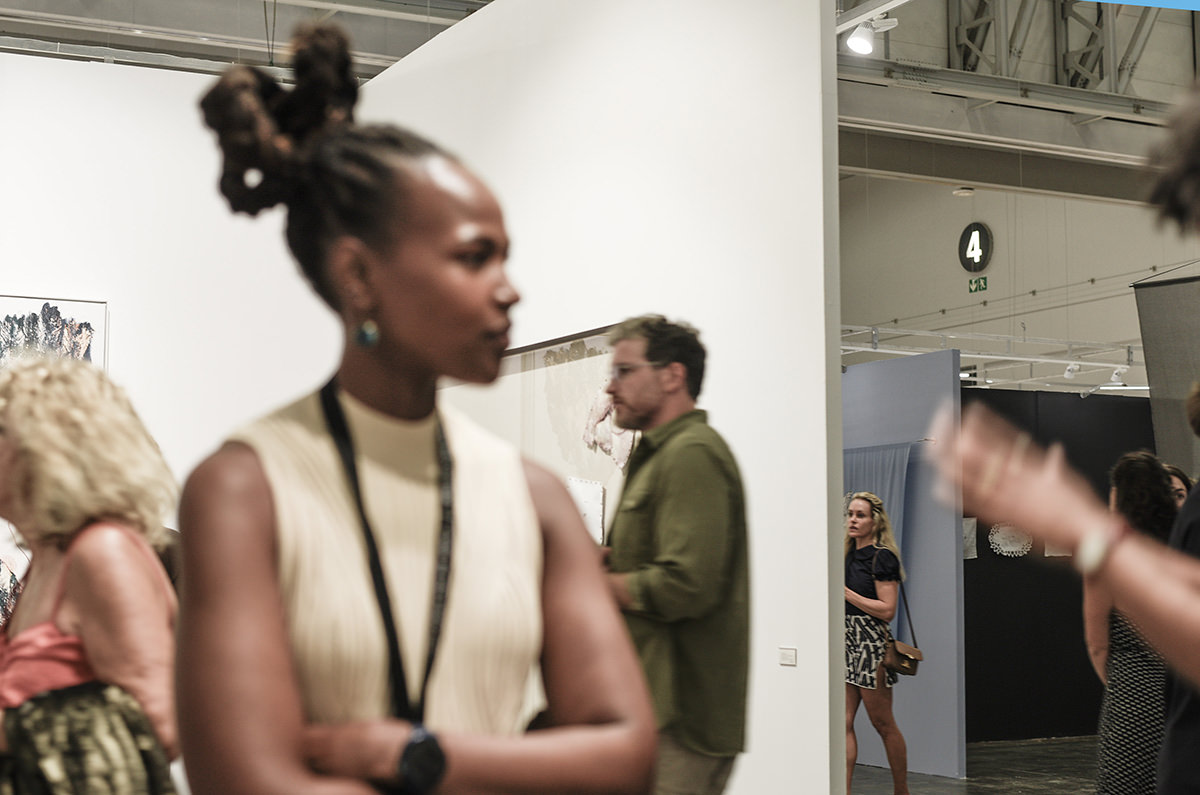
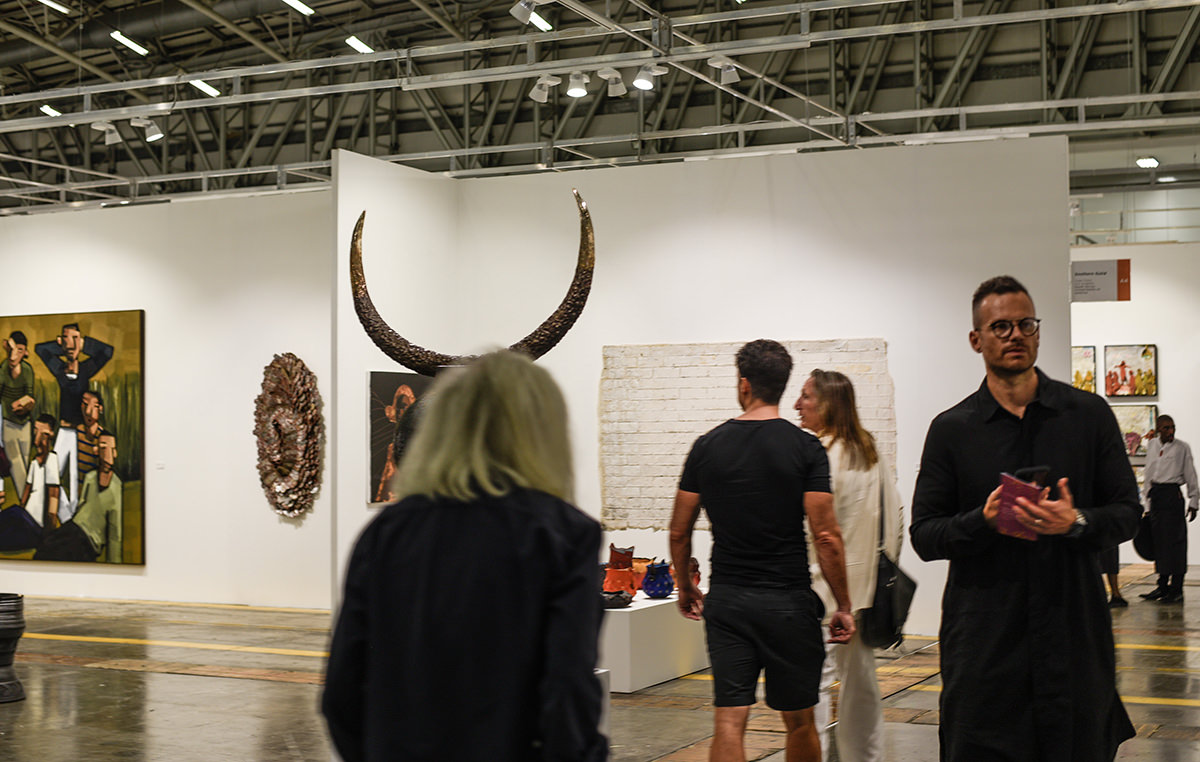
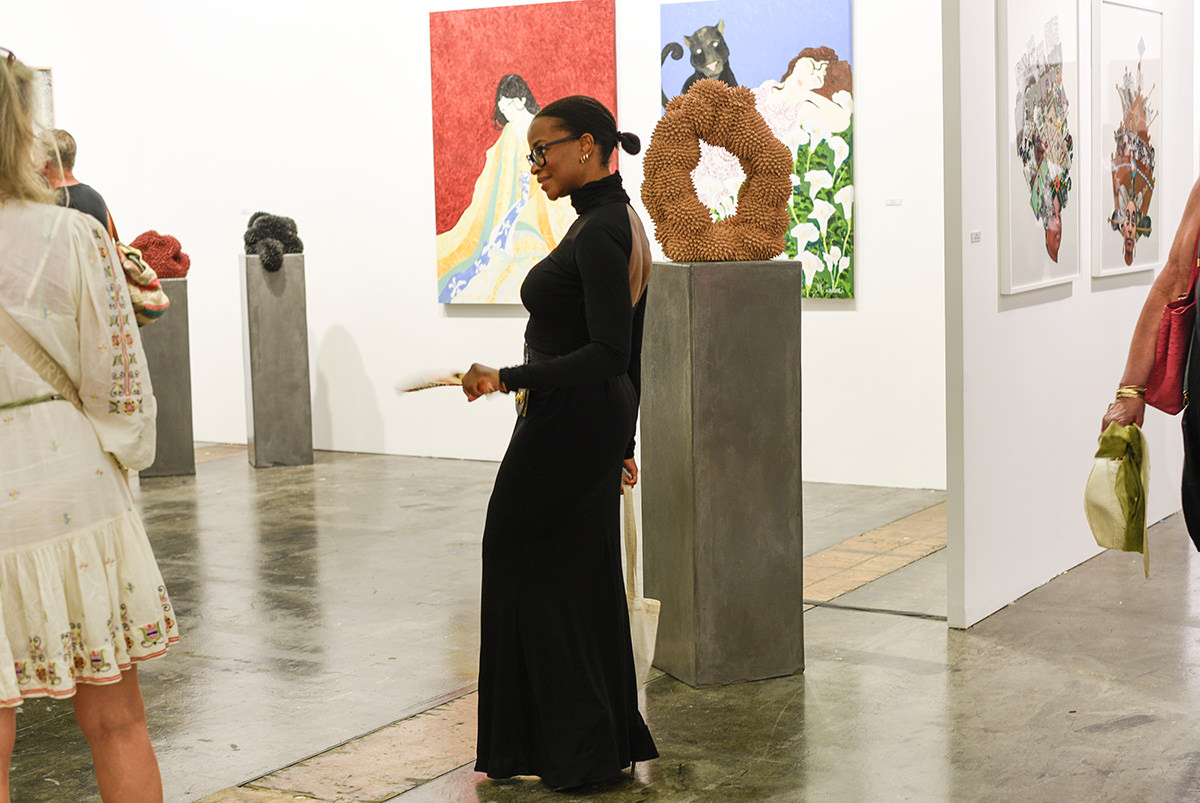
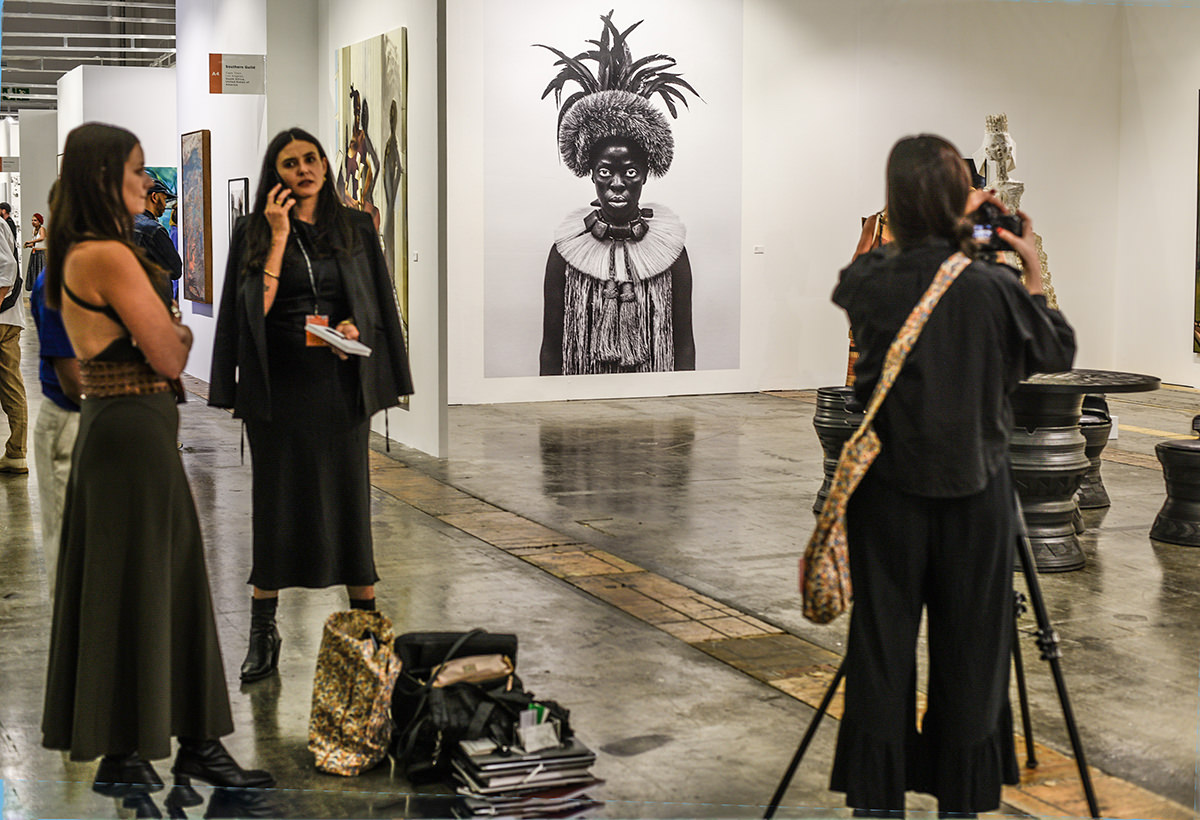
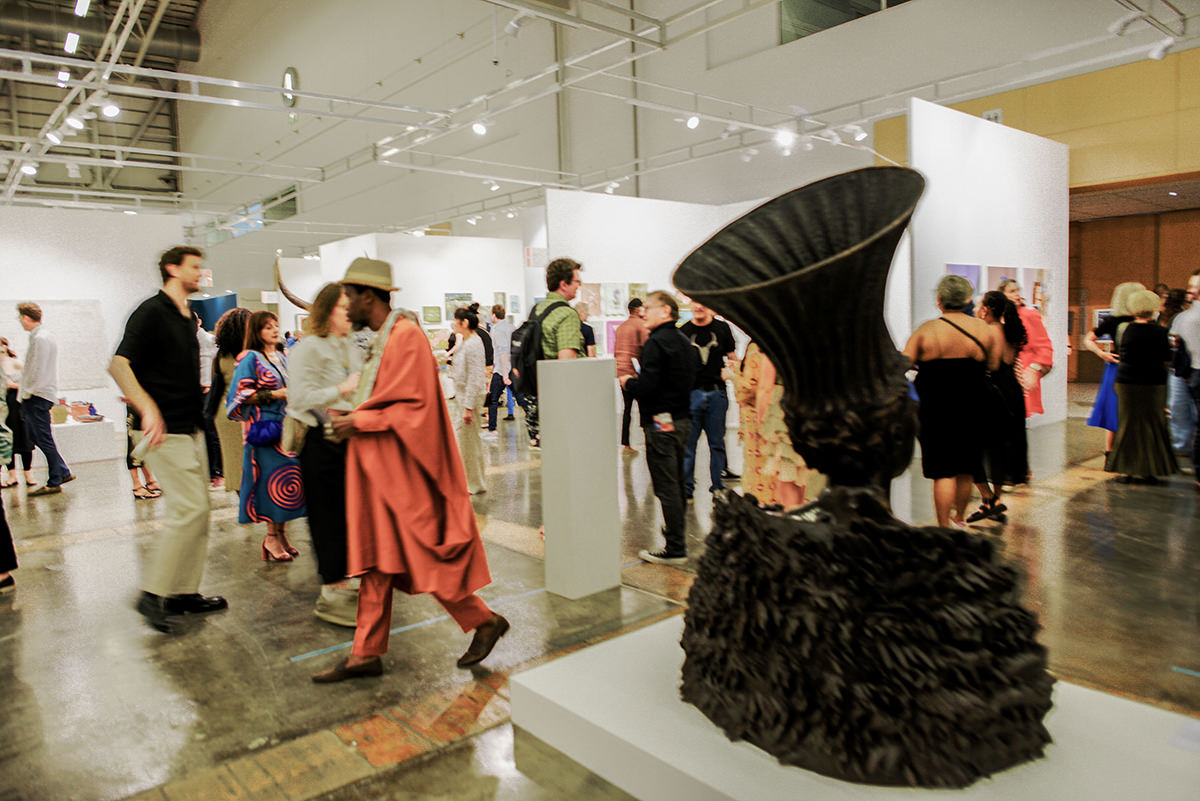
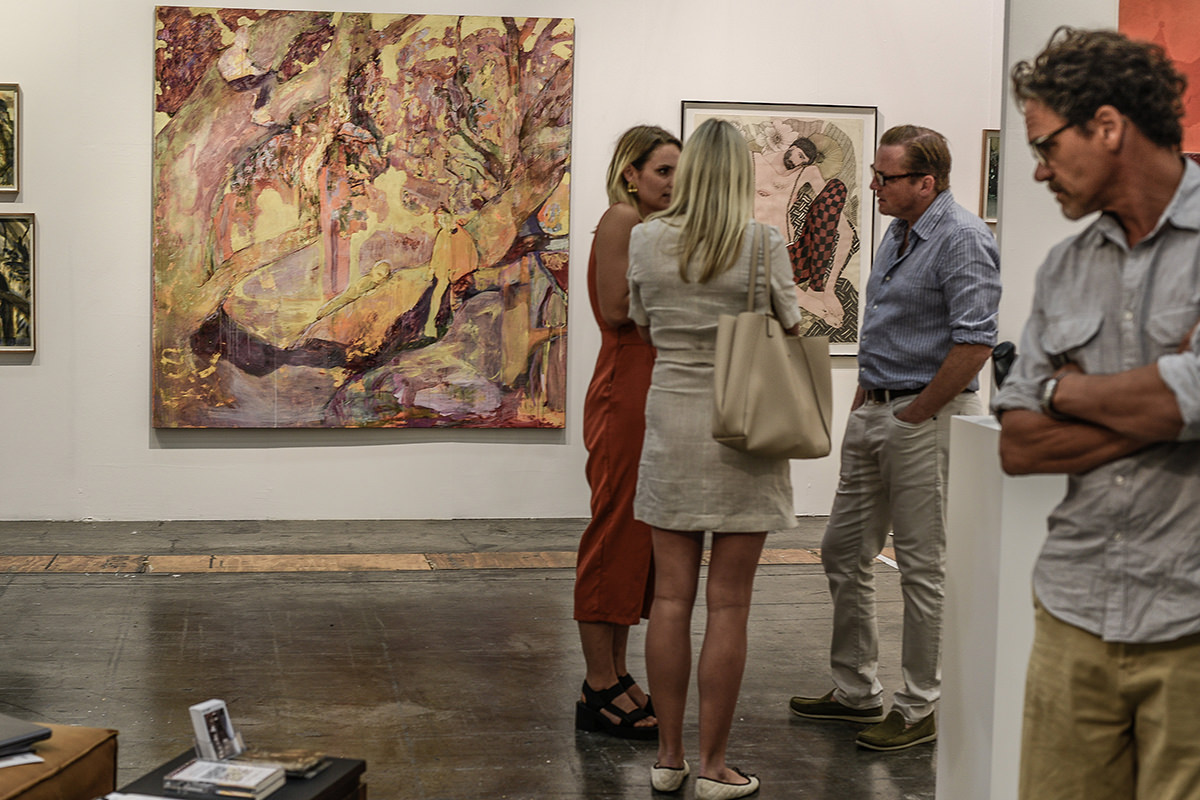
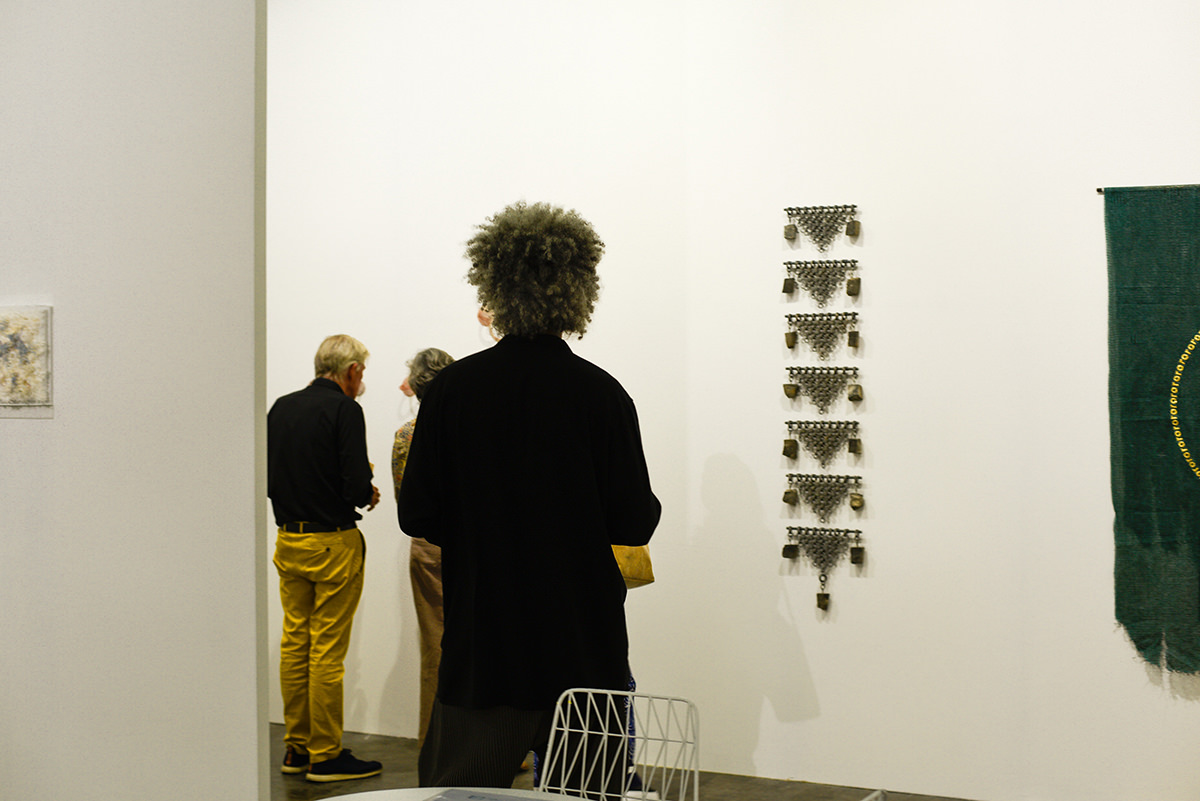
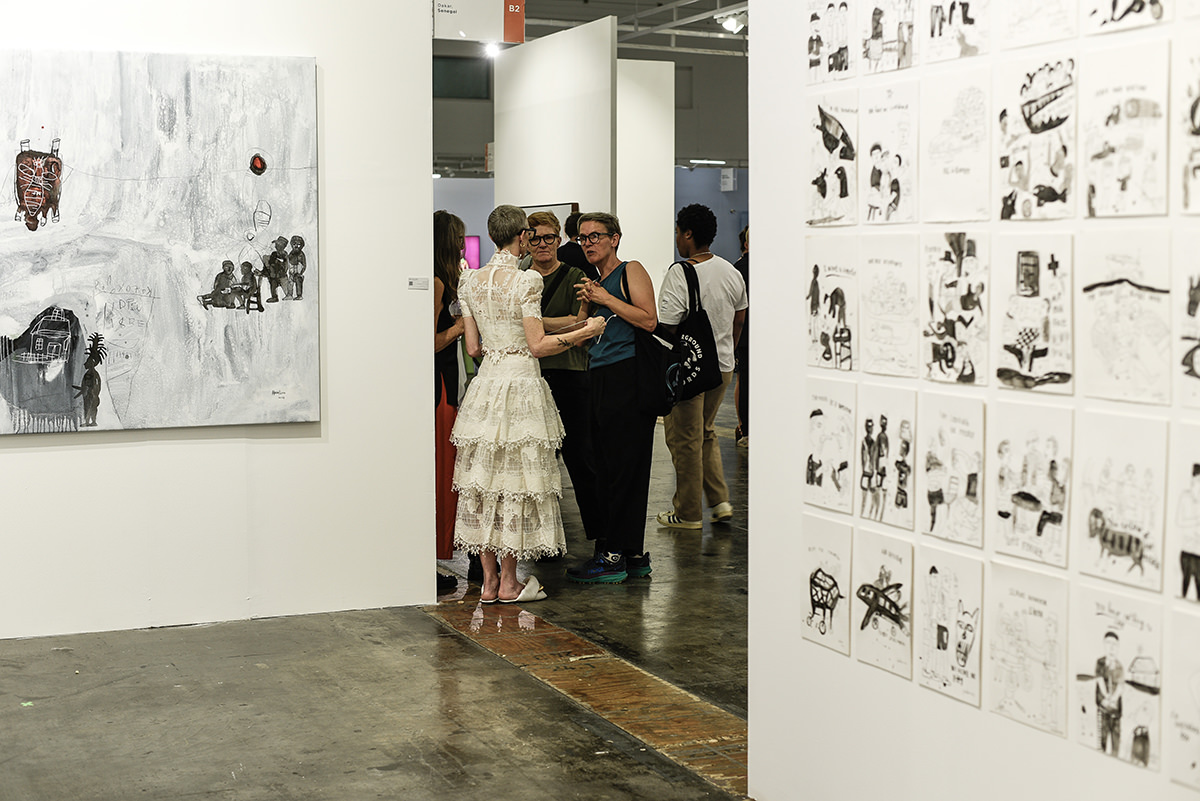
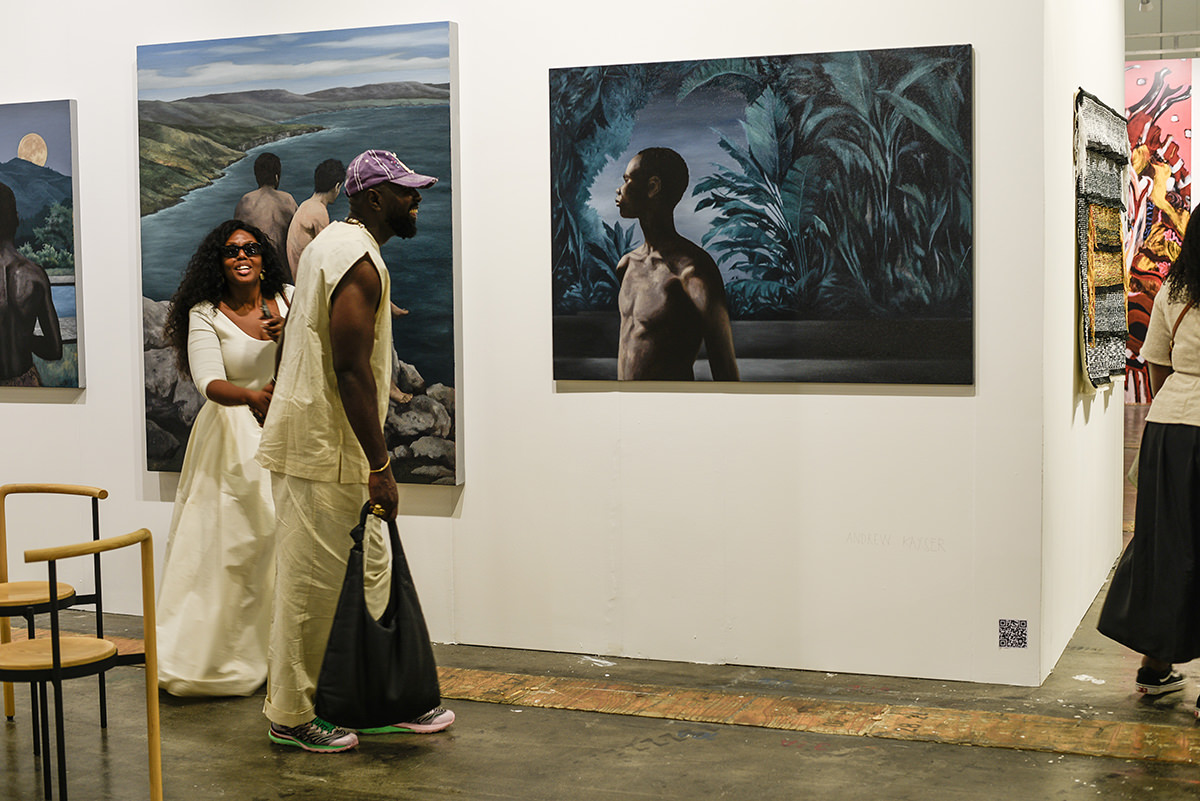
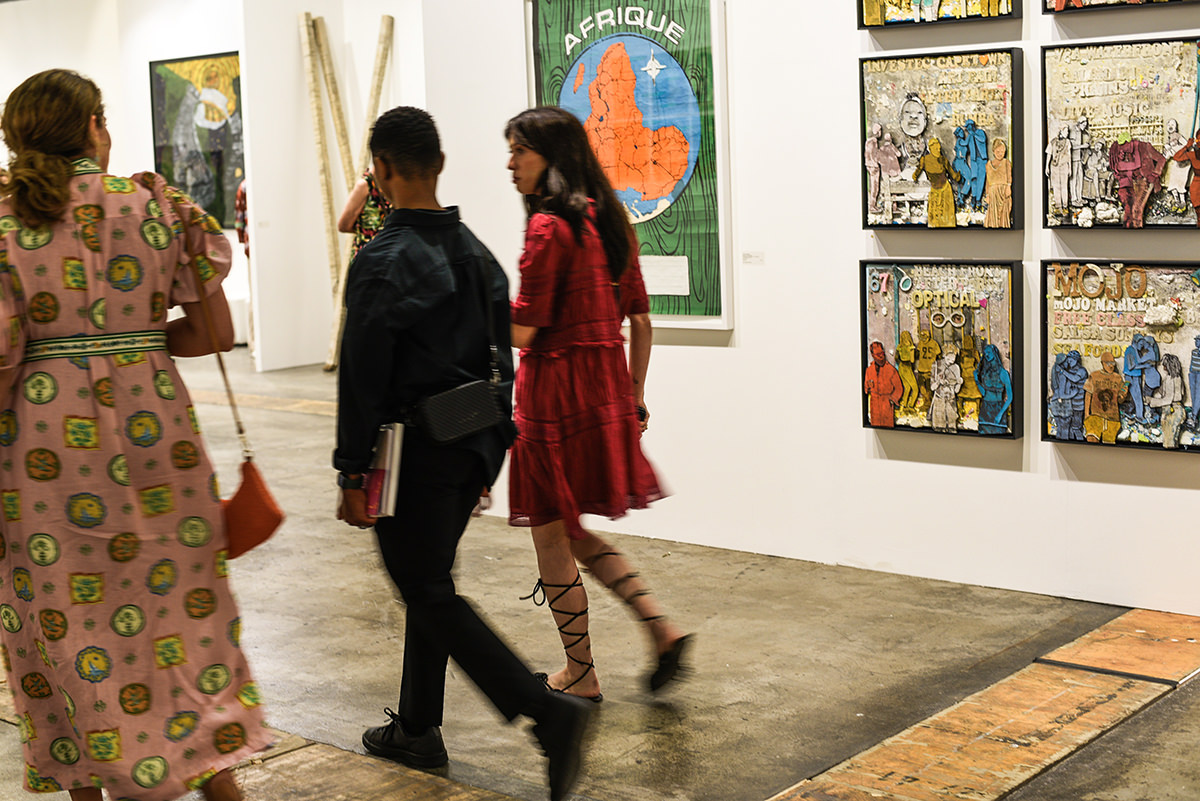
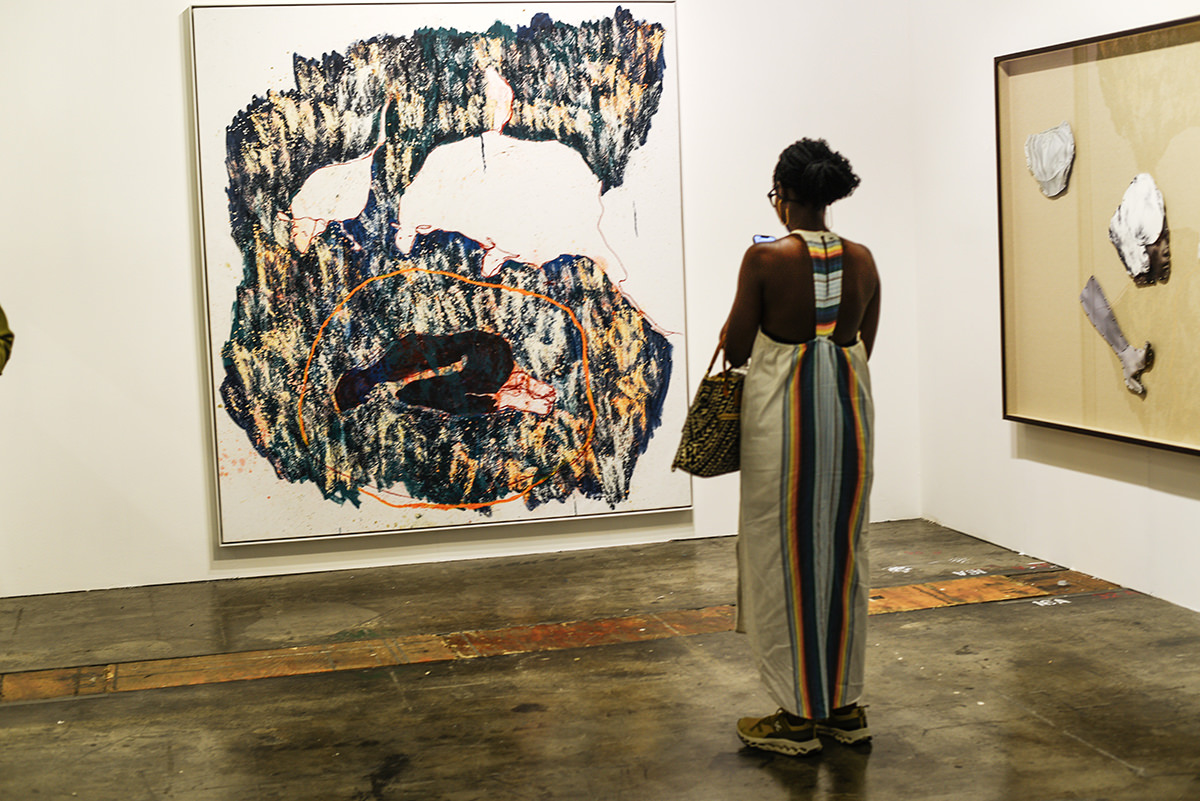
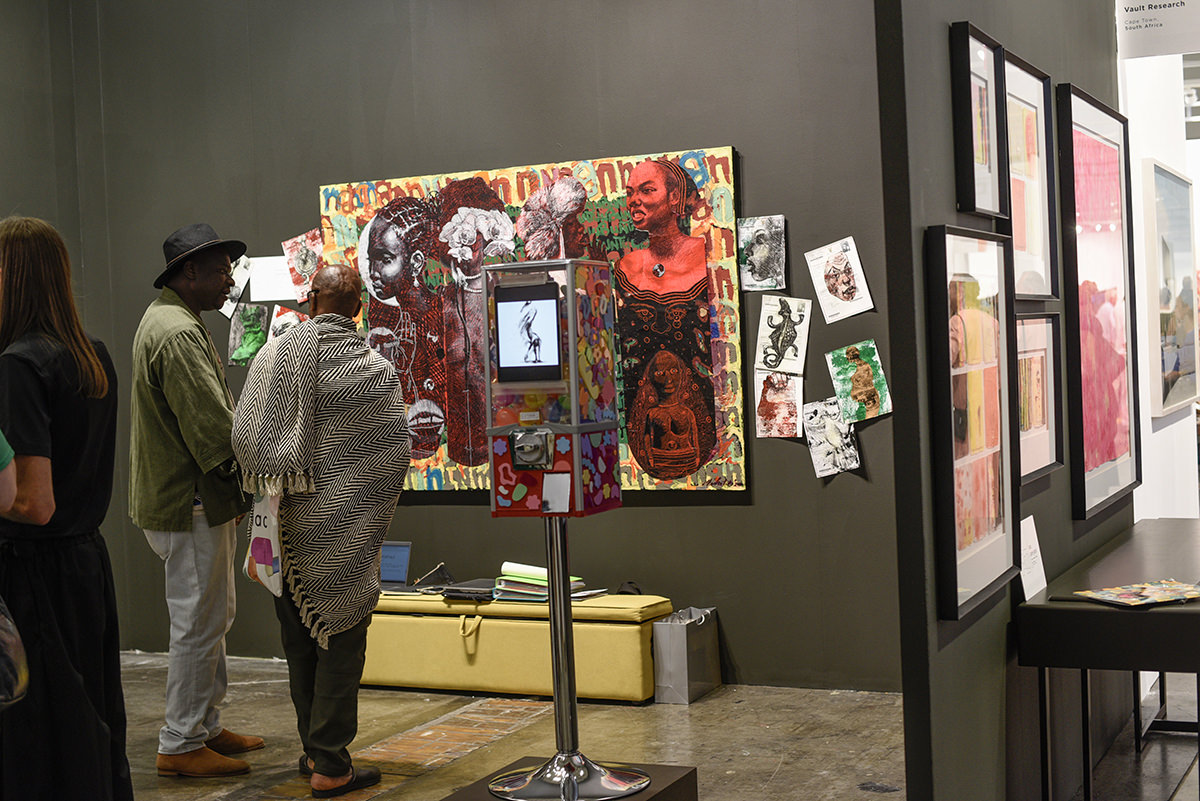
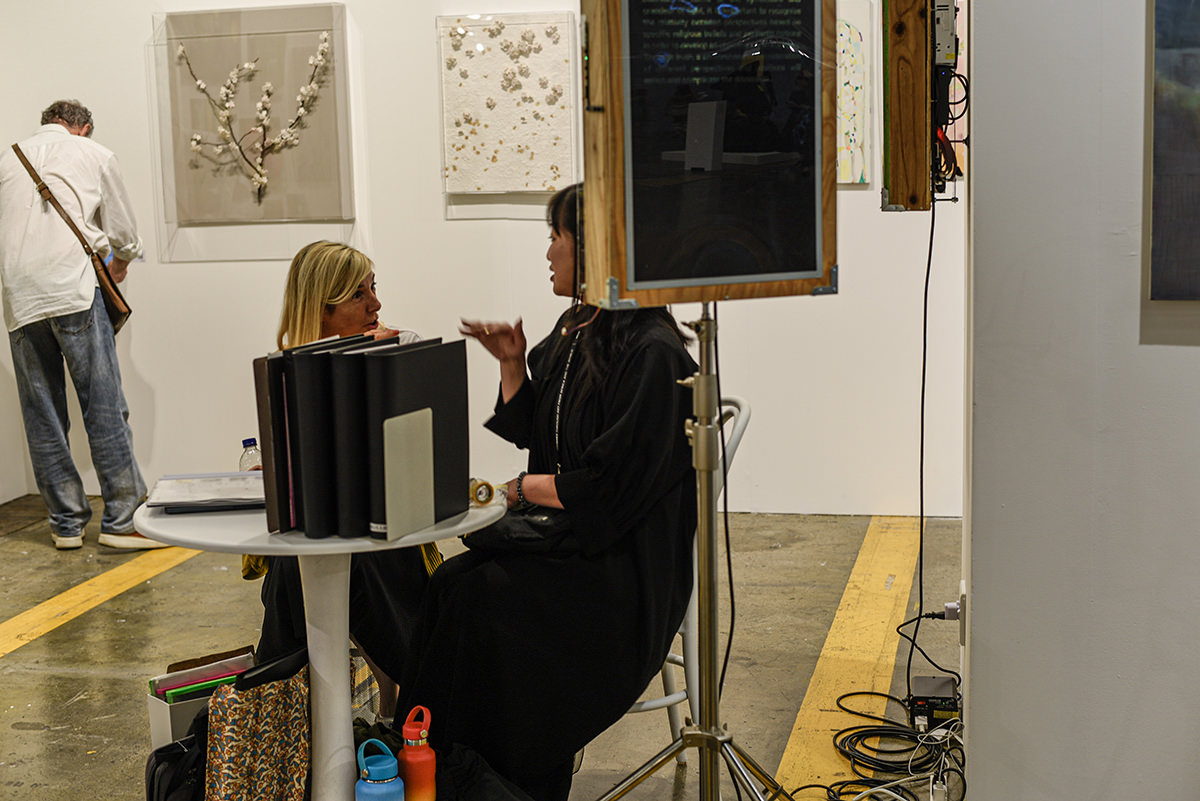
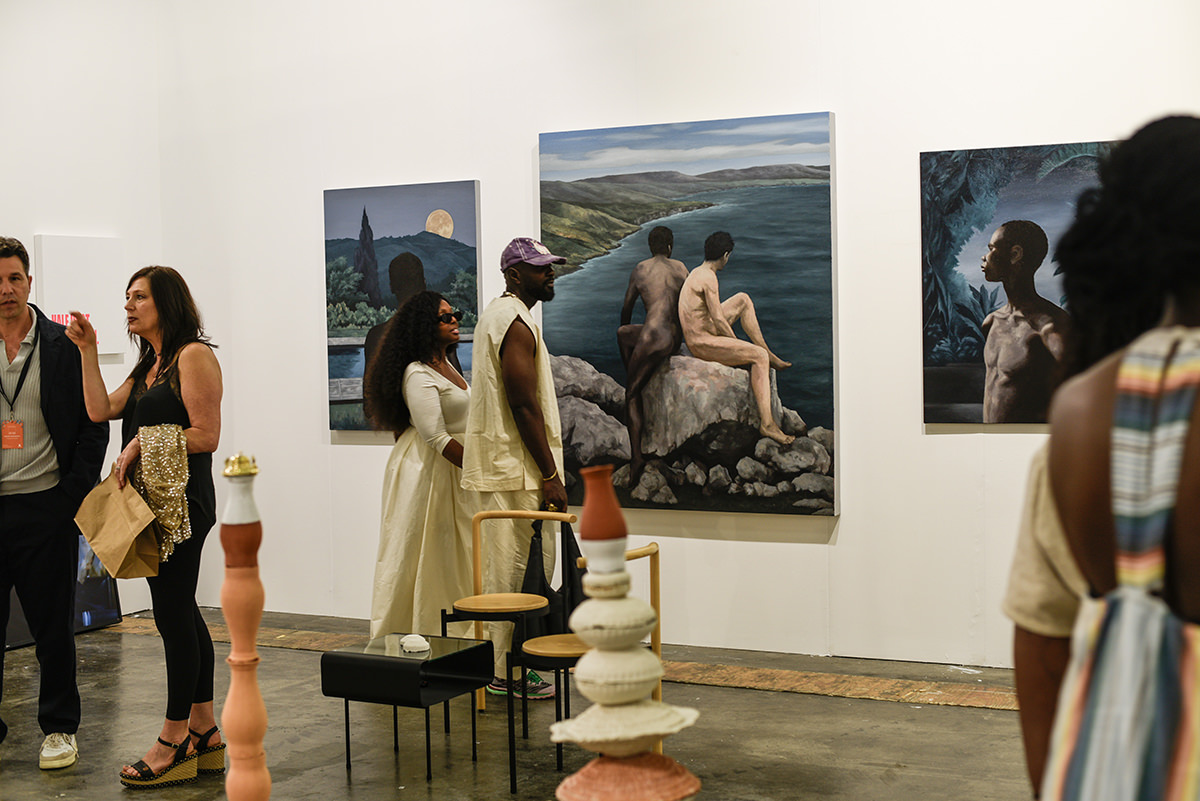
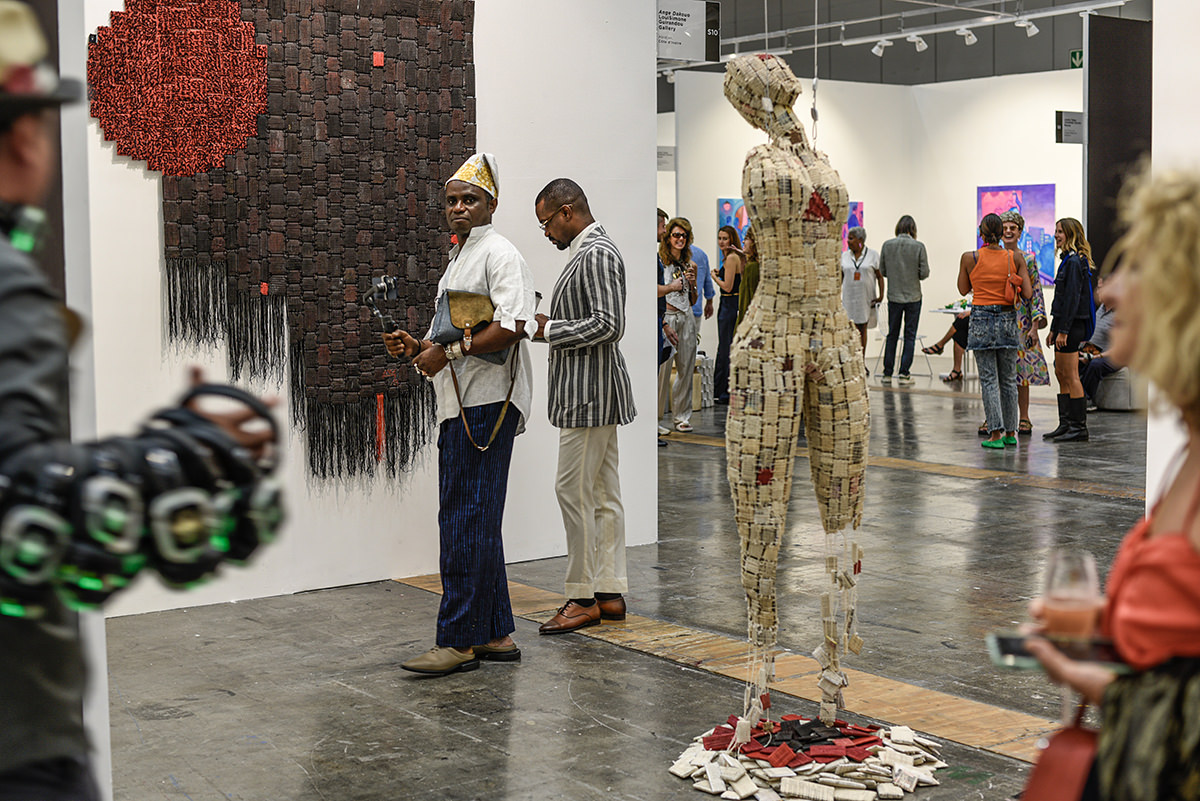
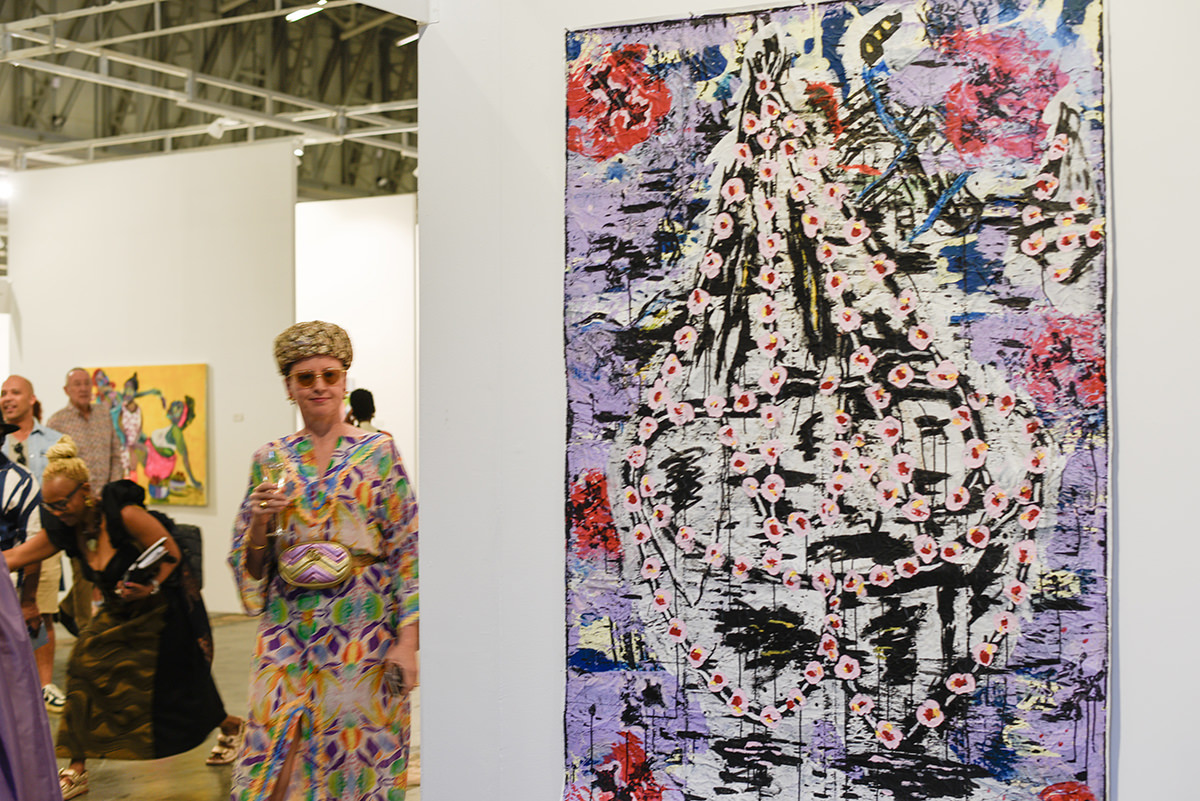
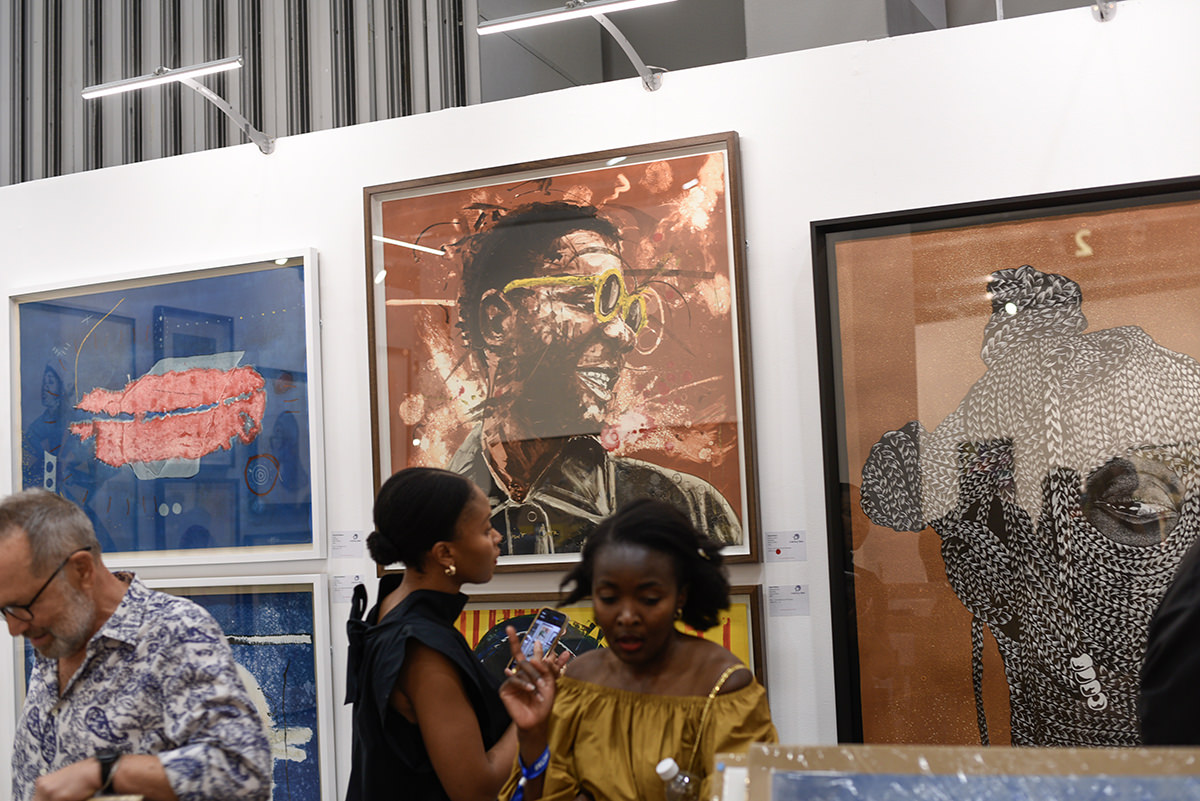
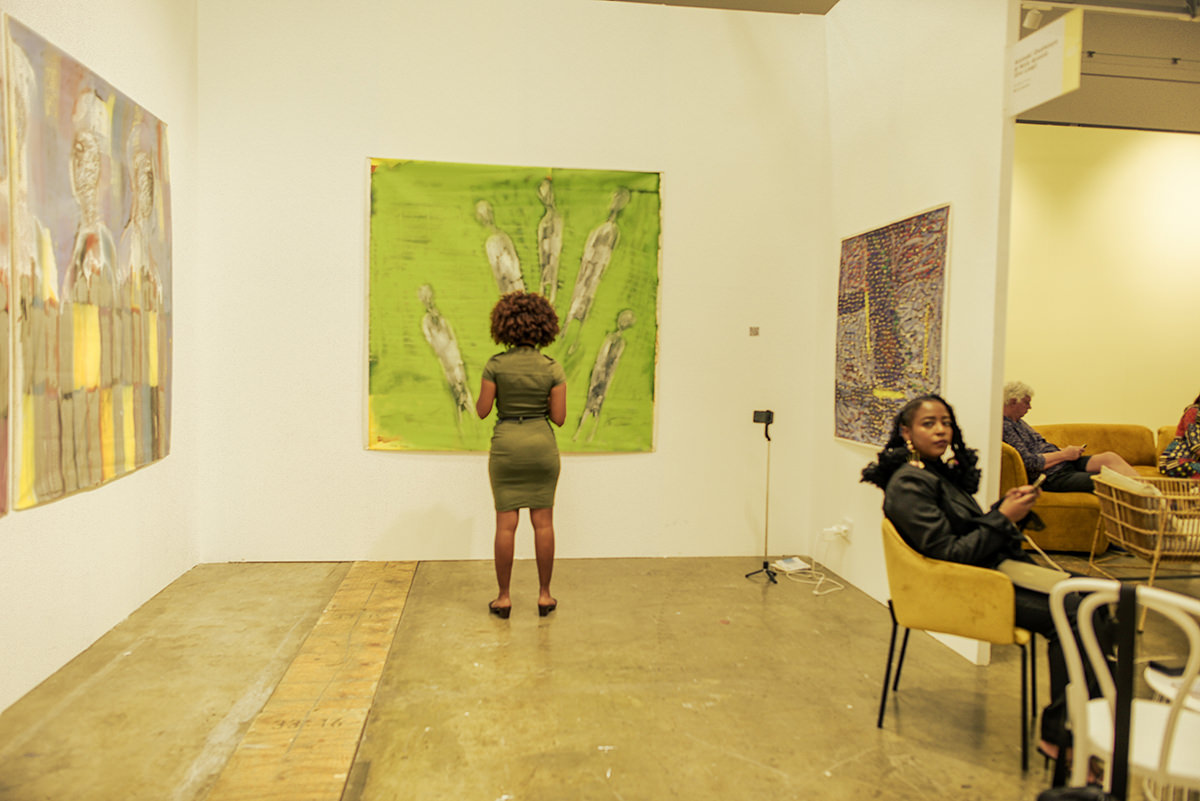
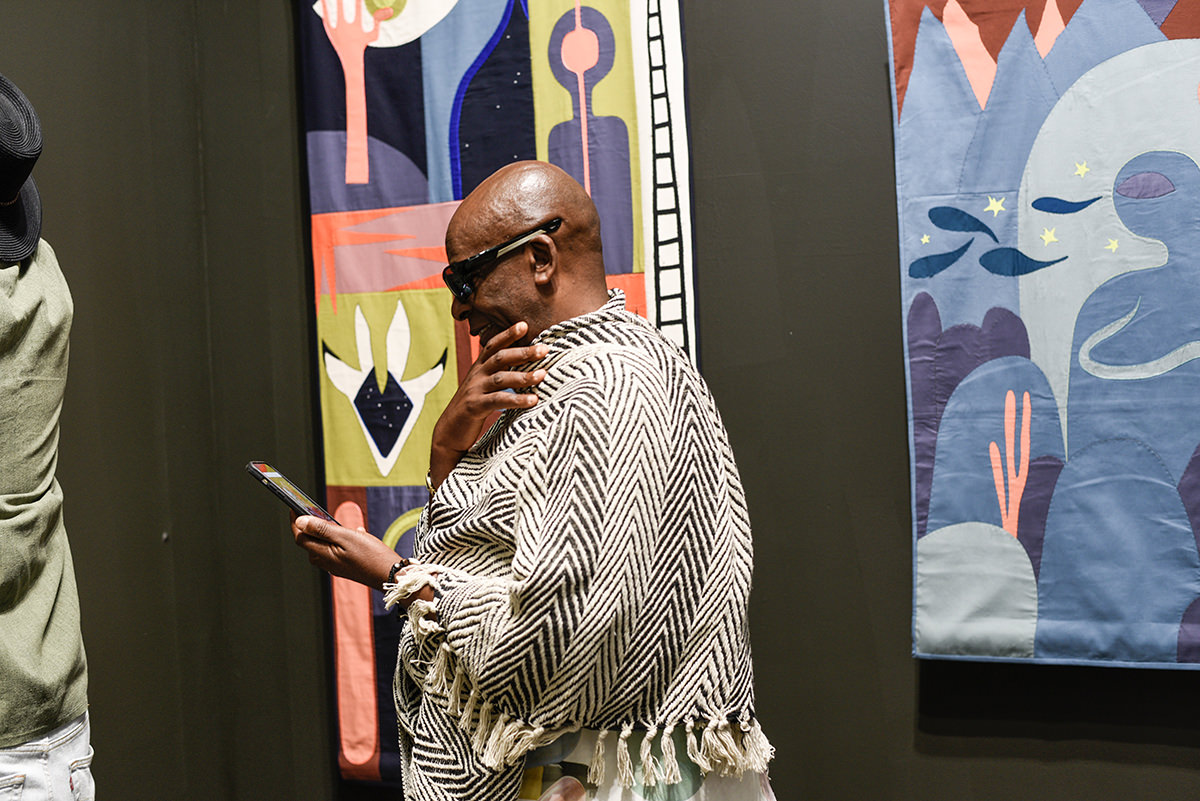
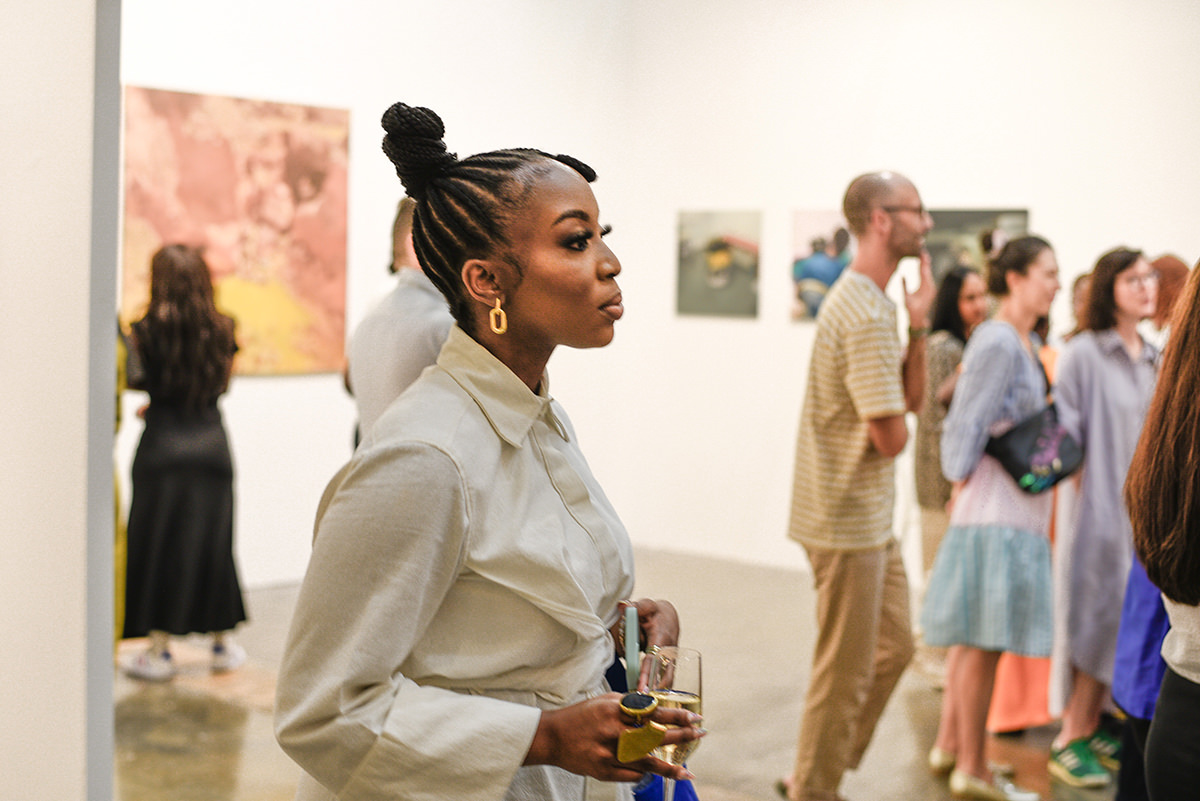
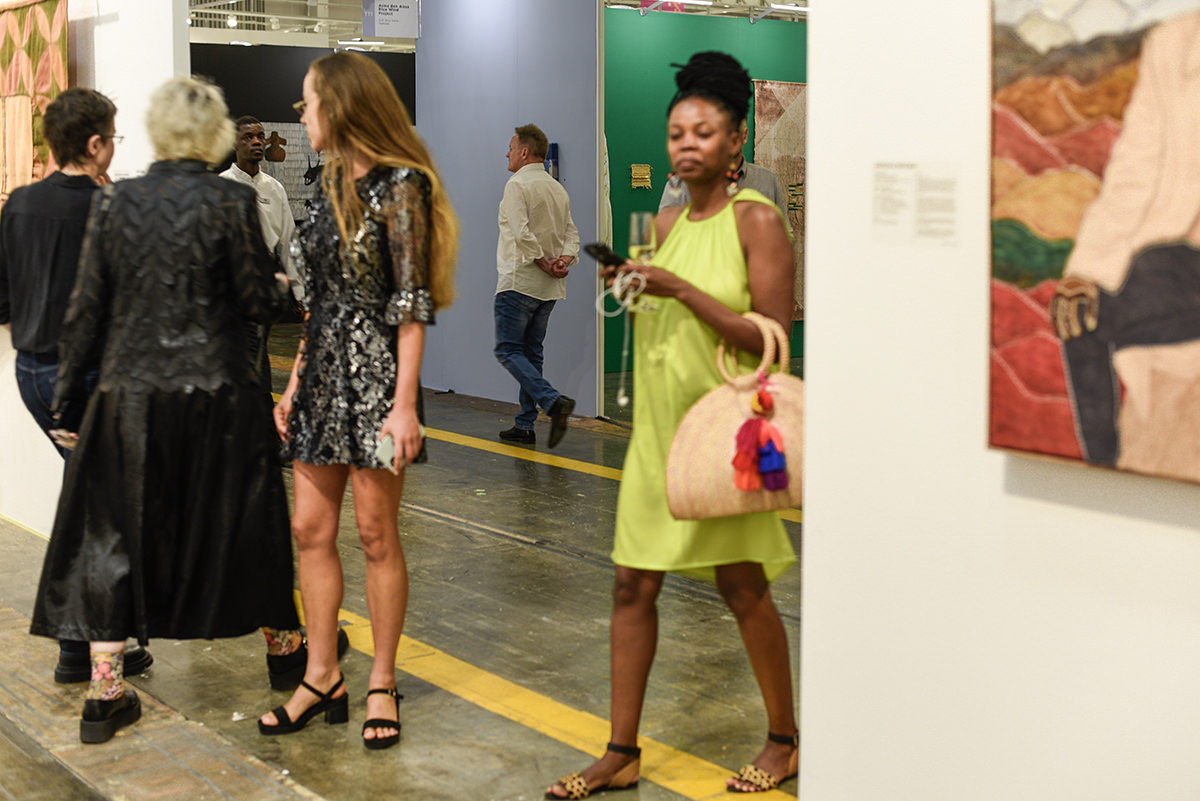
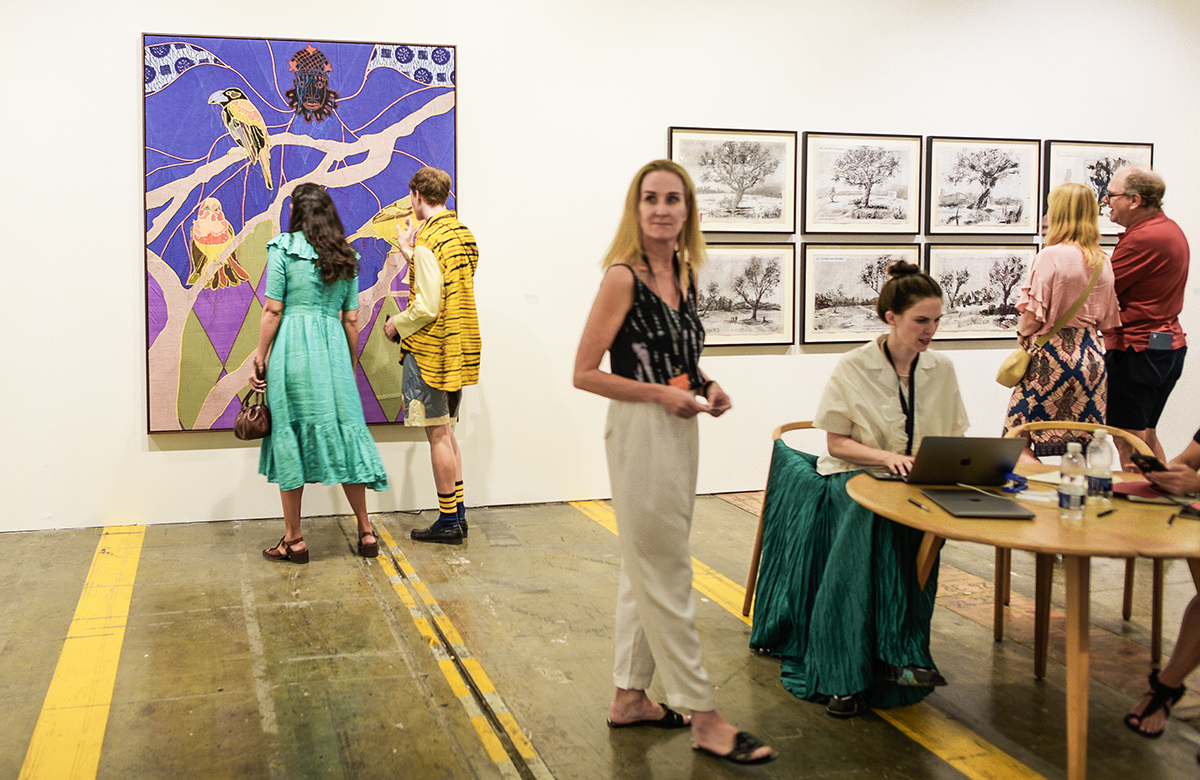
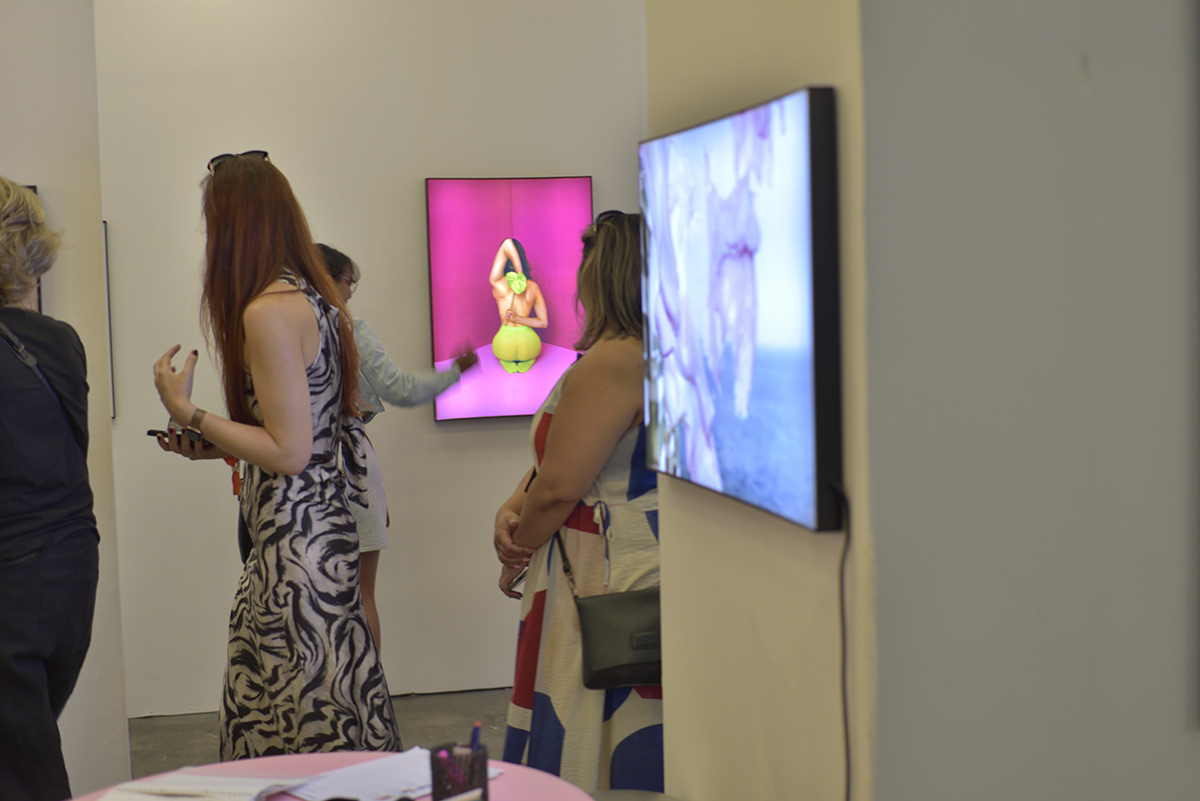
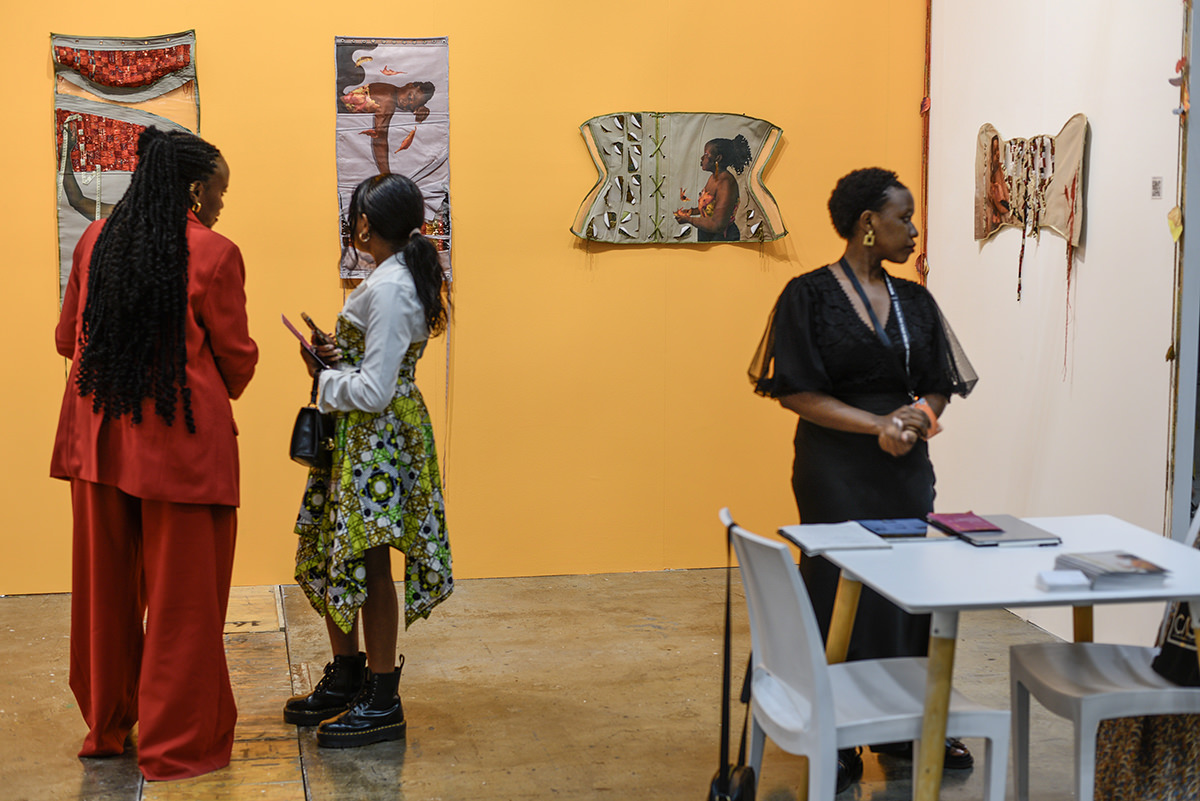
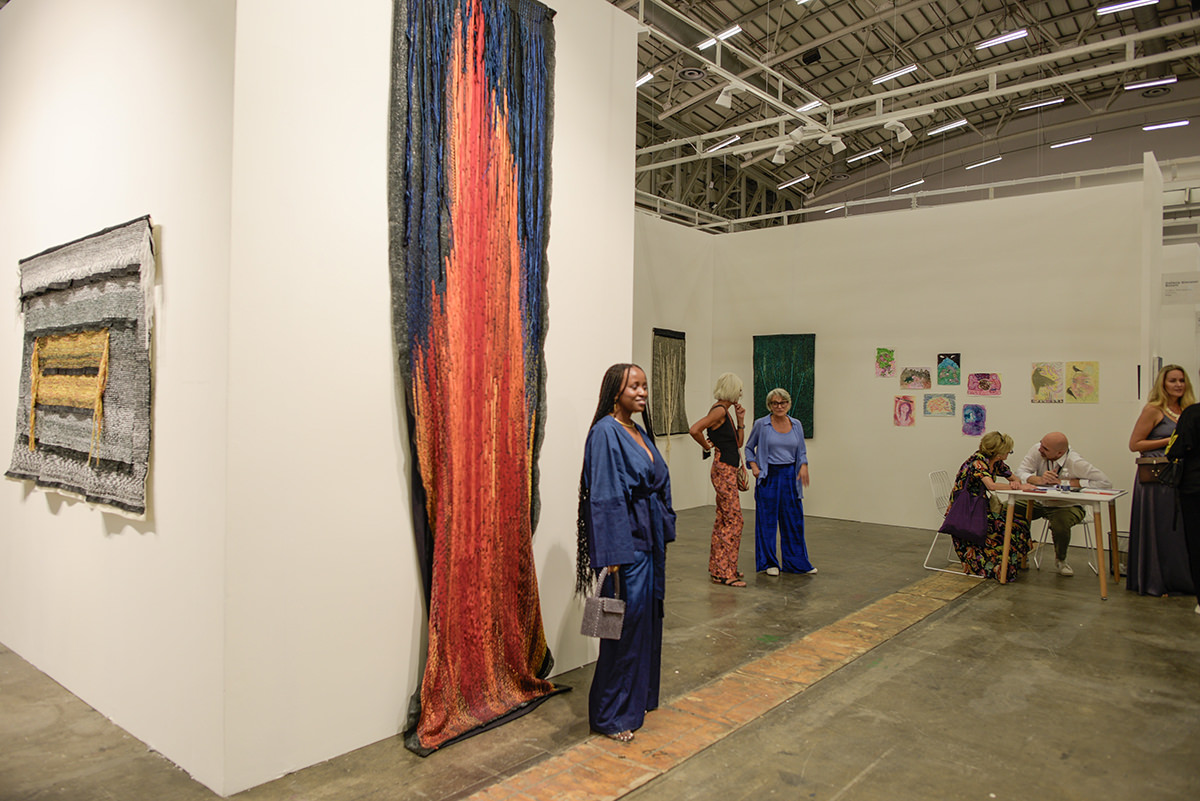
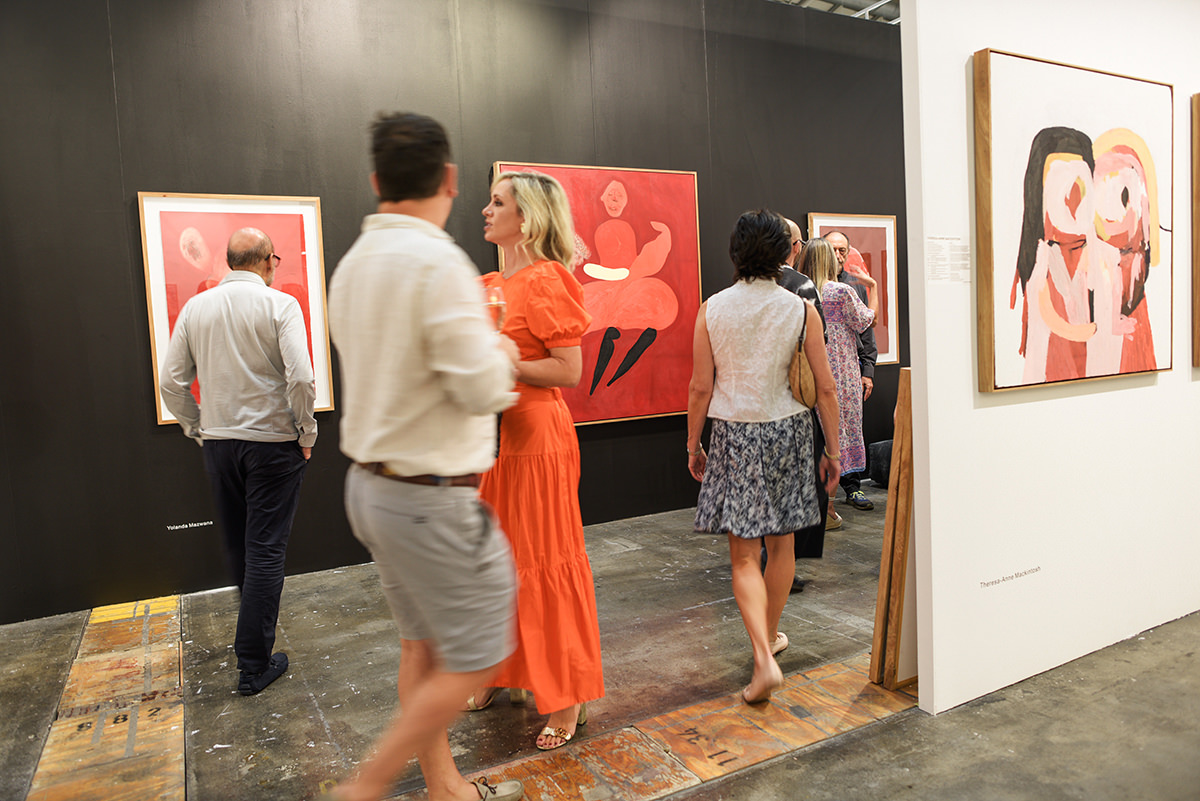
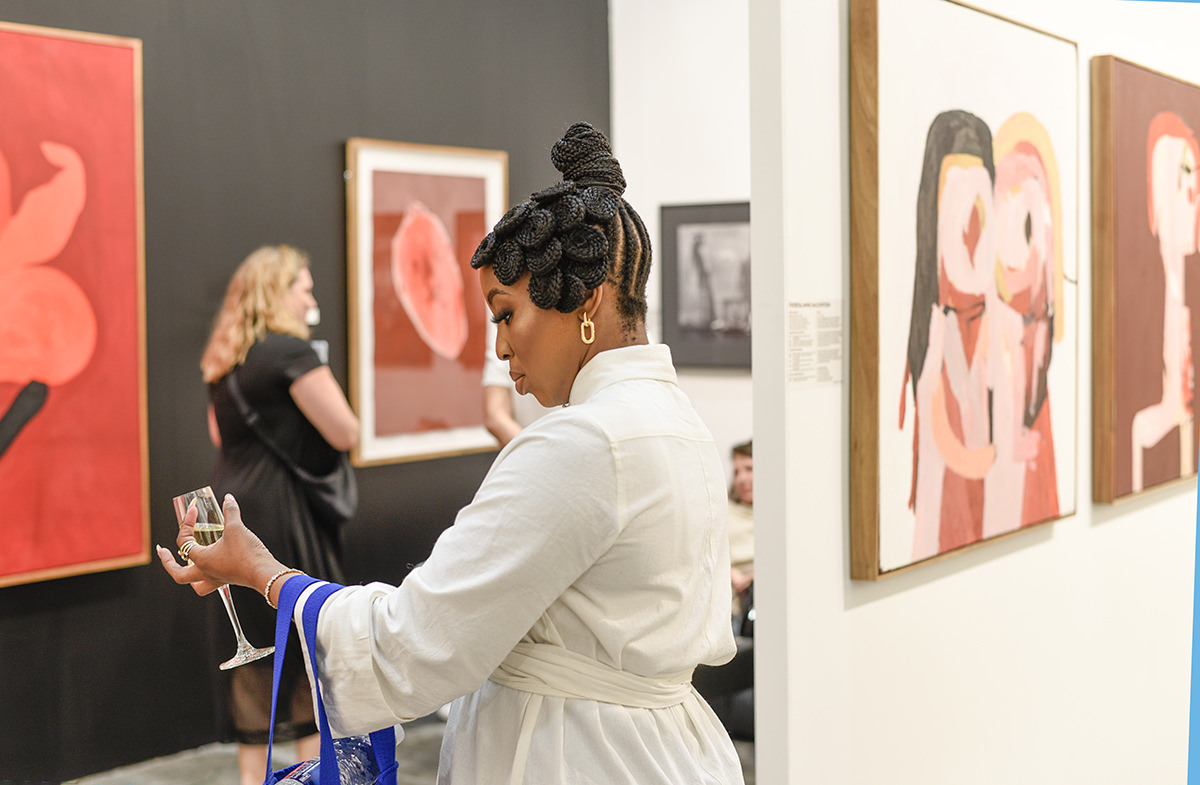
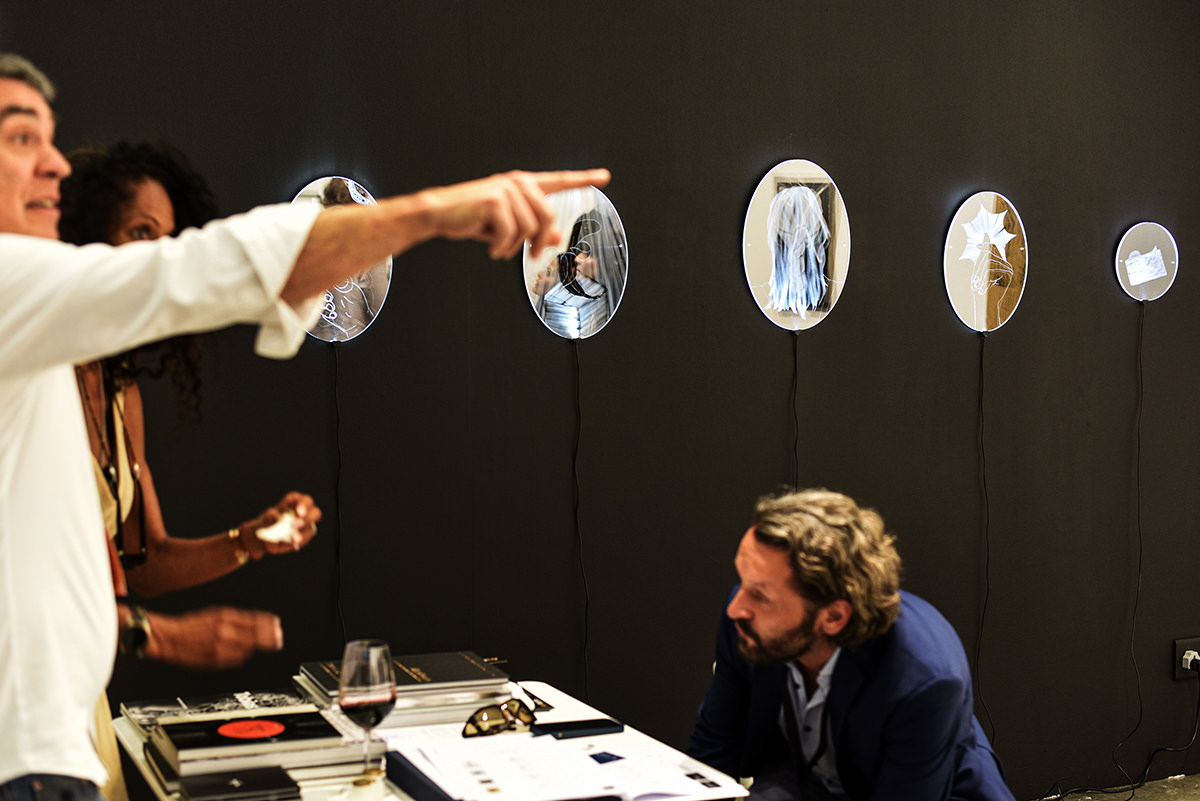
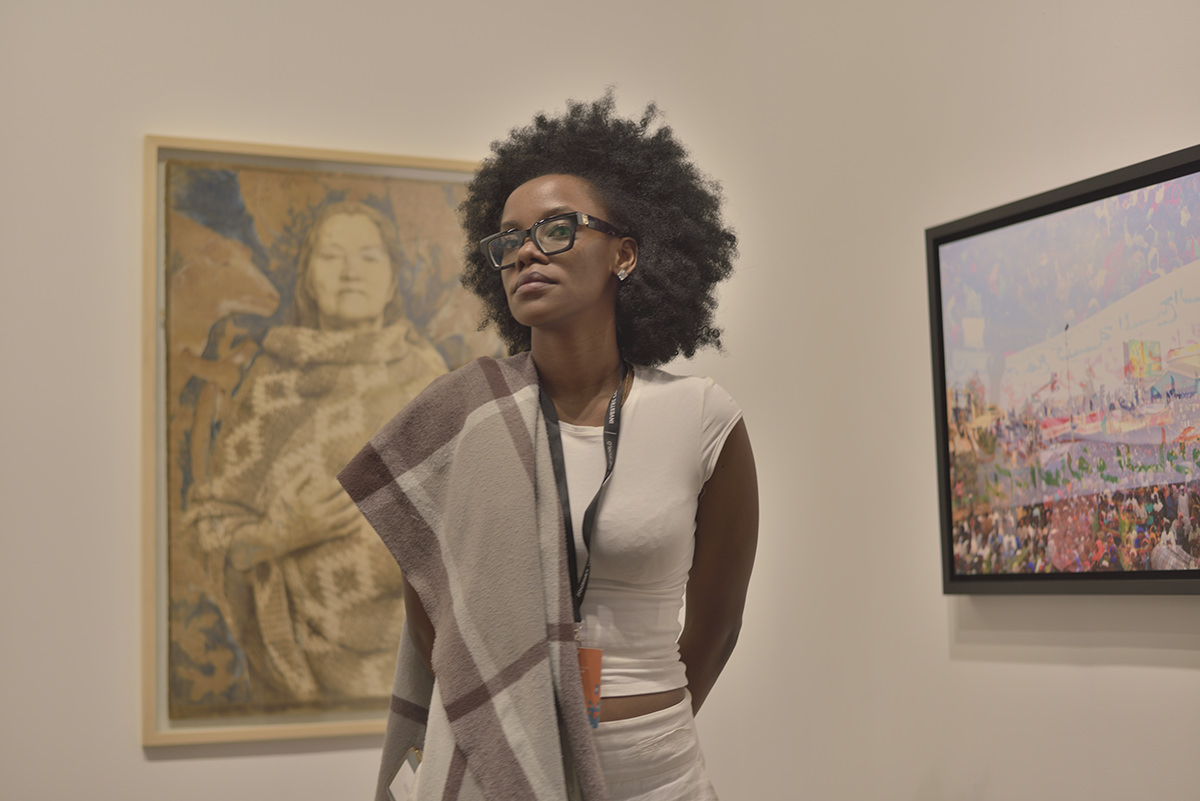
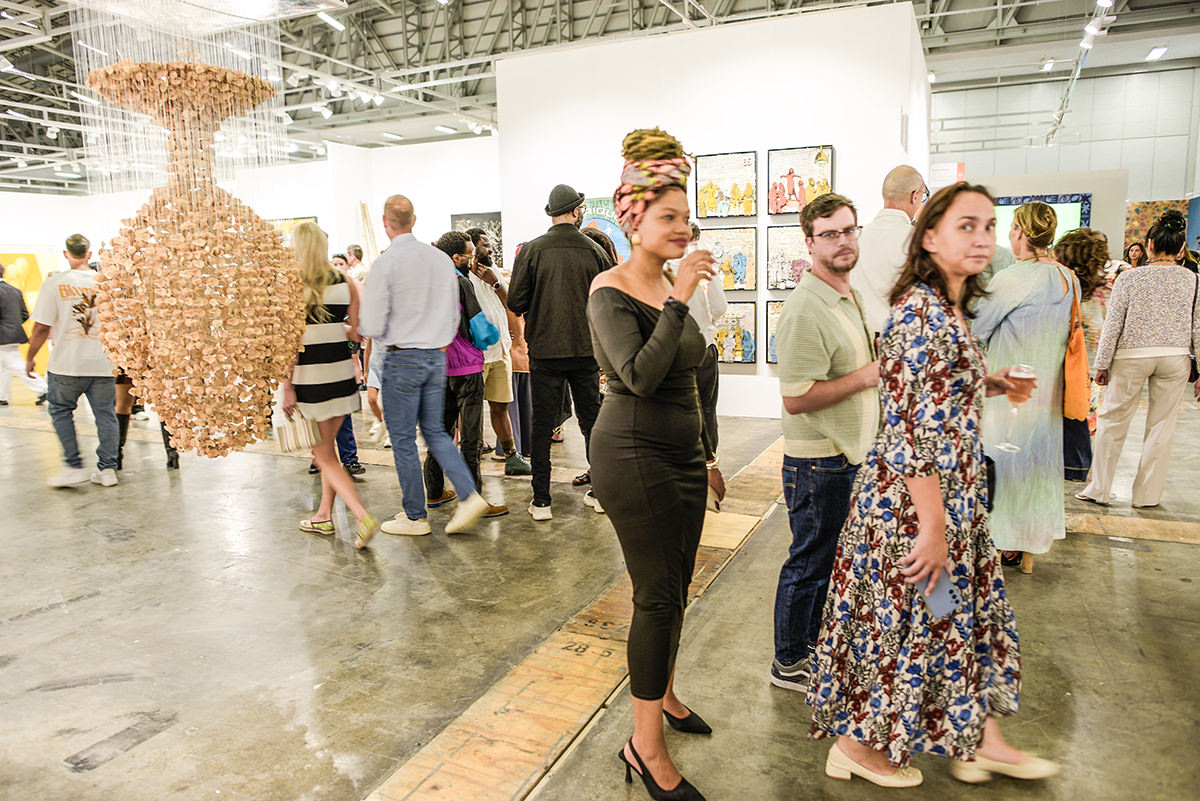
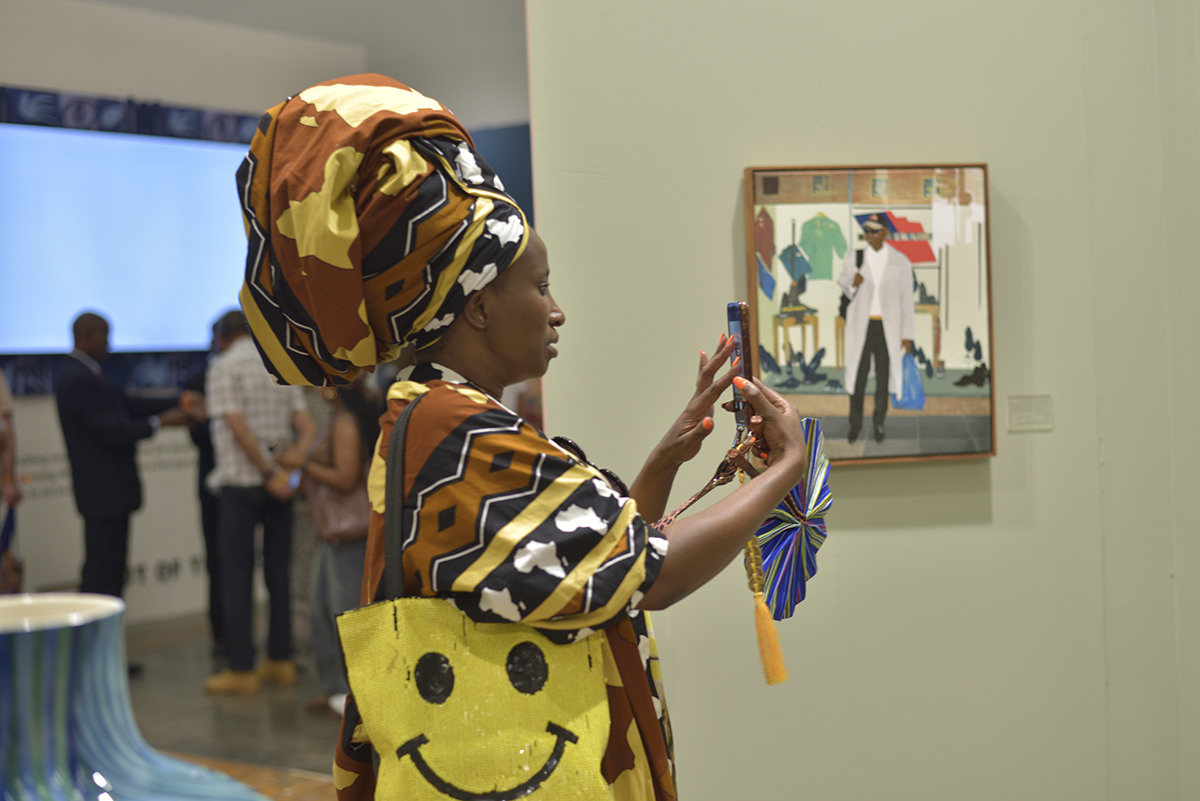
My report does not attempt to cover the entirety of this immense offering. Instead, I chose a more focused perspective. Alongside awarded emerging artists, I observed new presences from Nigeria, Angola, Uganda, and South Africa. Above all, I was drawn to the relationship between artworks and the public — a kind of “street photography” within the exhibition space, a field that has long been central to my own practice.
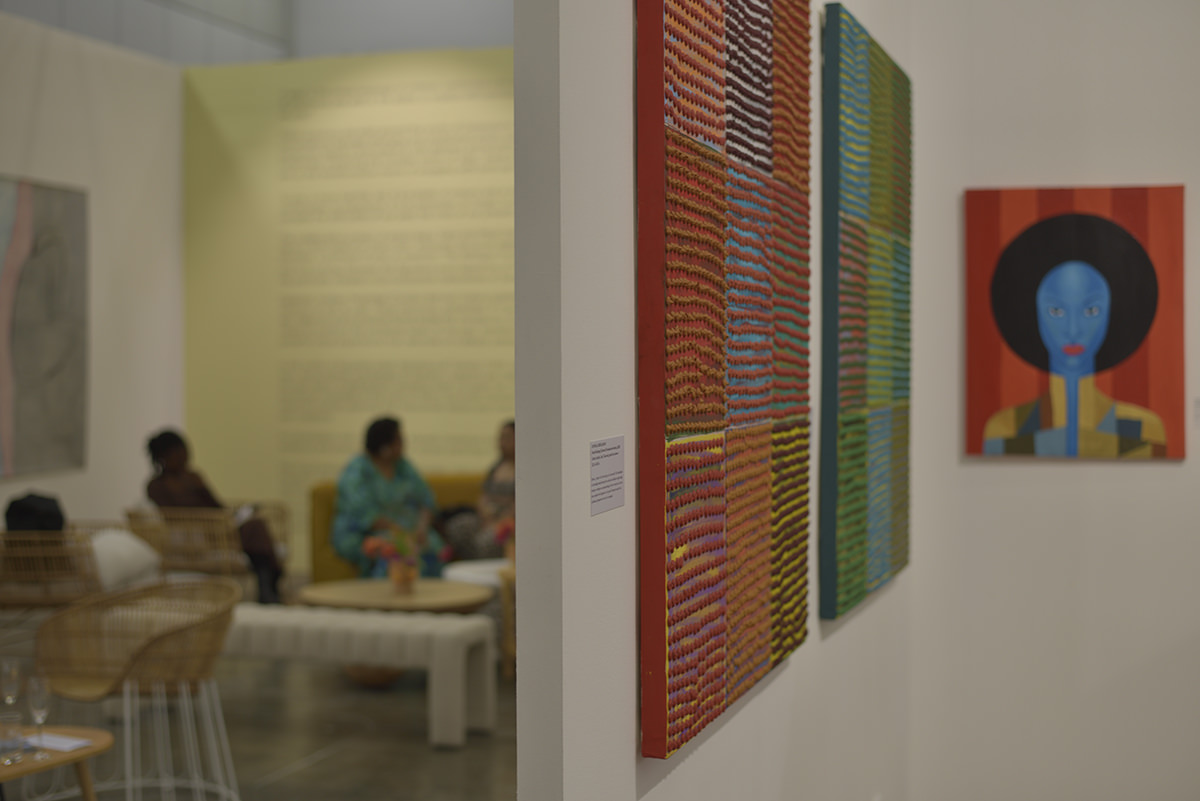
Among the emerging artists, I was particularly struck by the Egyptian Ibrahim Khatab, represented by Eclectica Contemporary in Cape Town. His abstract works, finished in resin, create remarkable chromatic effects. Photographer Mareli Lal, represented by SMAC in Cape Town, uses lightboxes to produce luminous, large-scale color portraits with distinctive visual impact. The City of Cape Town once again supported emerging artists through various free initiatives, and I had the opportunity to speak with photographer Susanna Neunast, an eclectic artist of German roots coming from Zimbabwe.
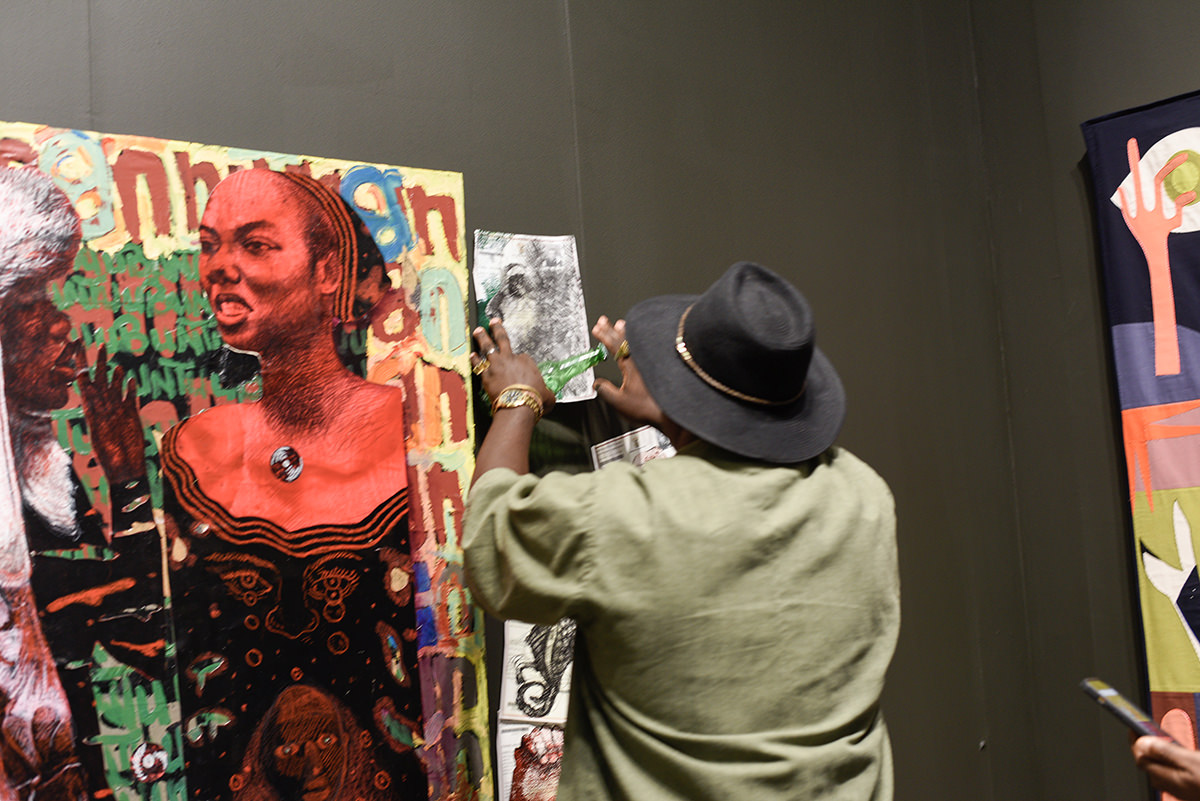
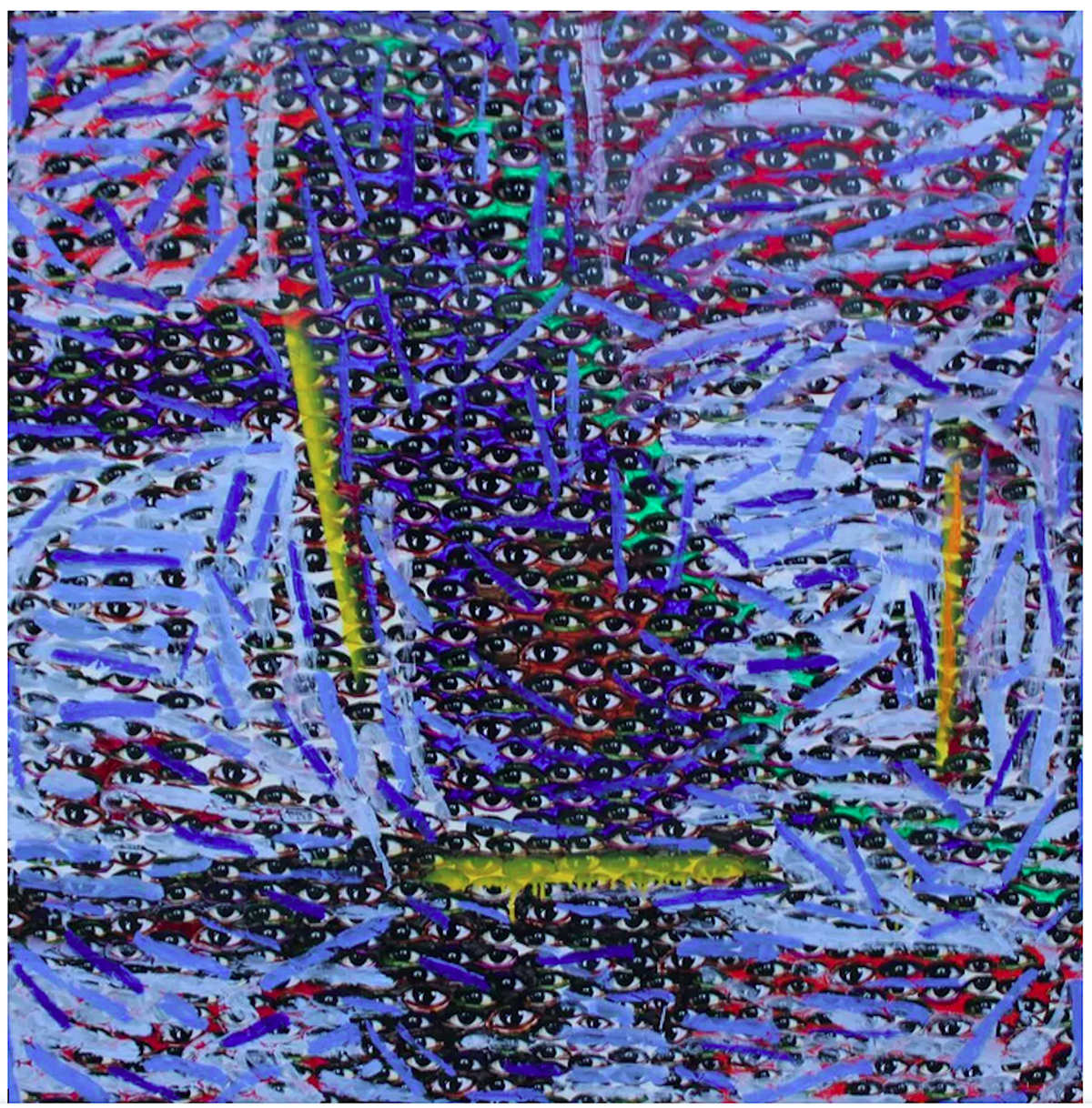
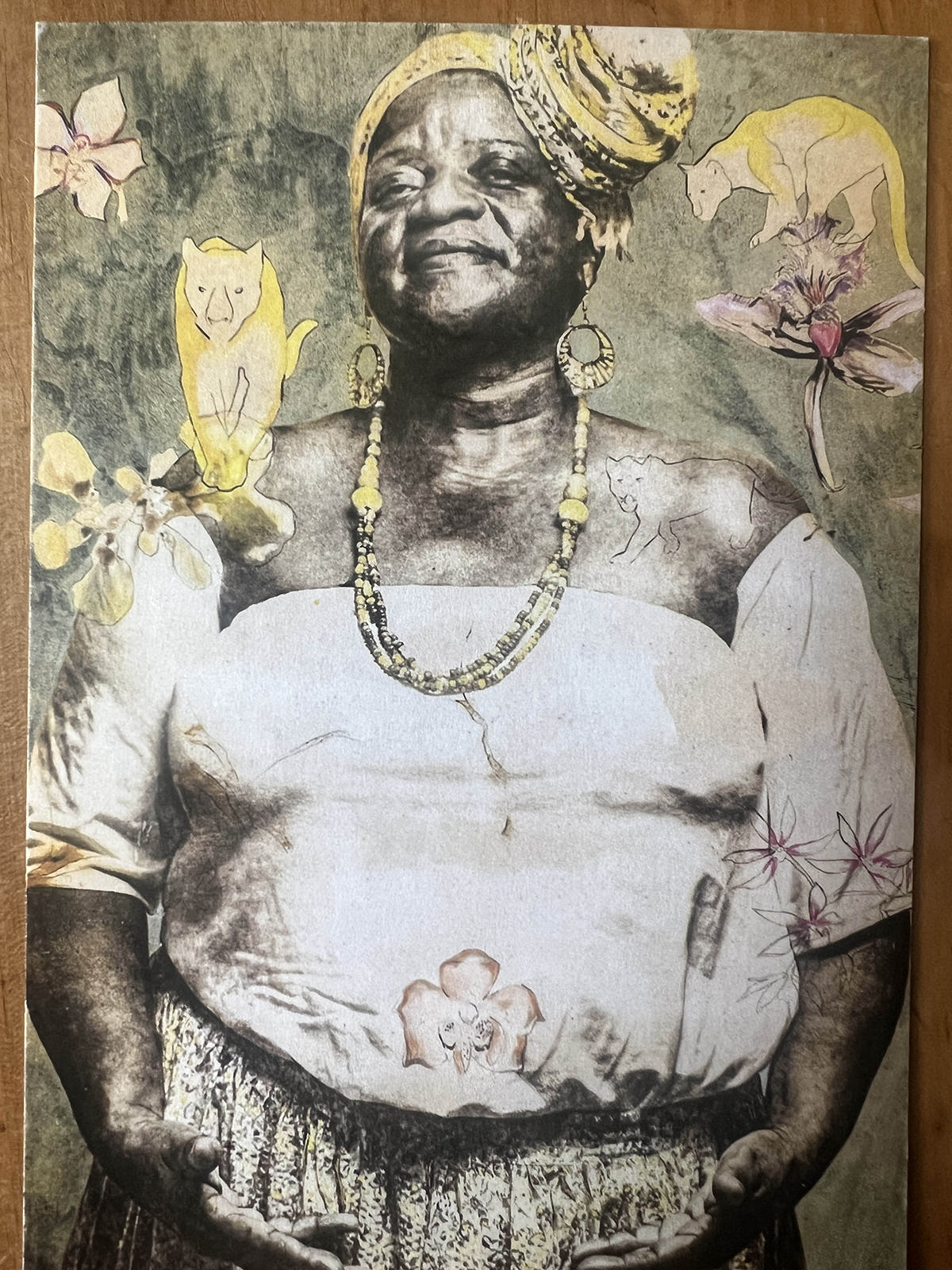
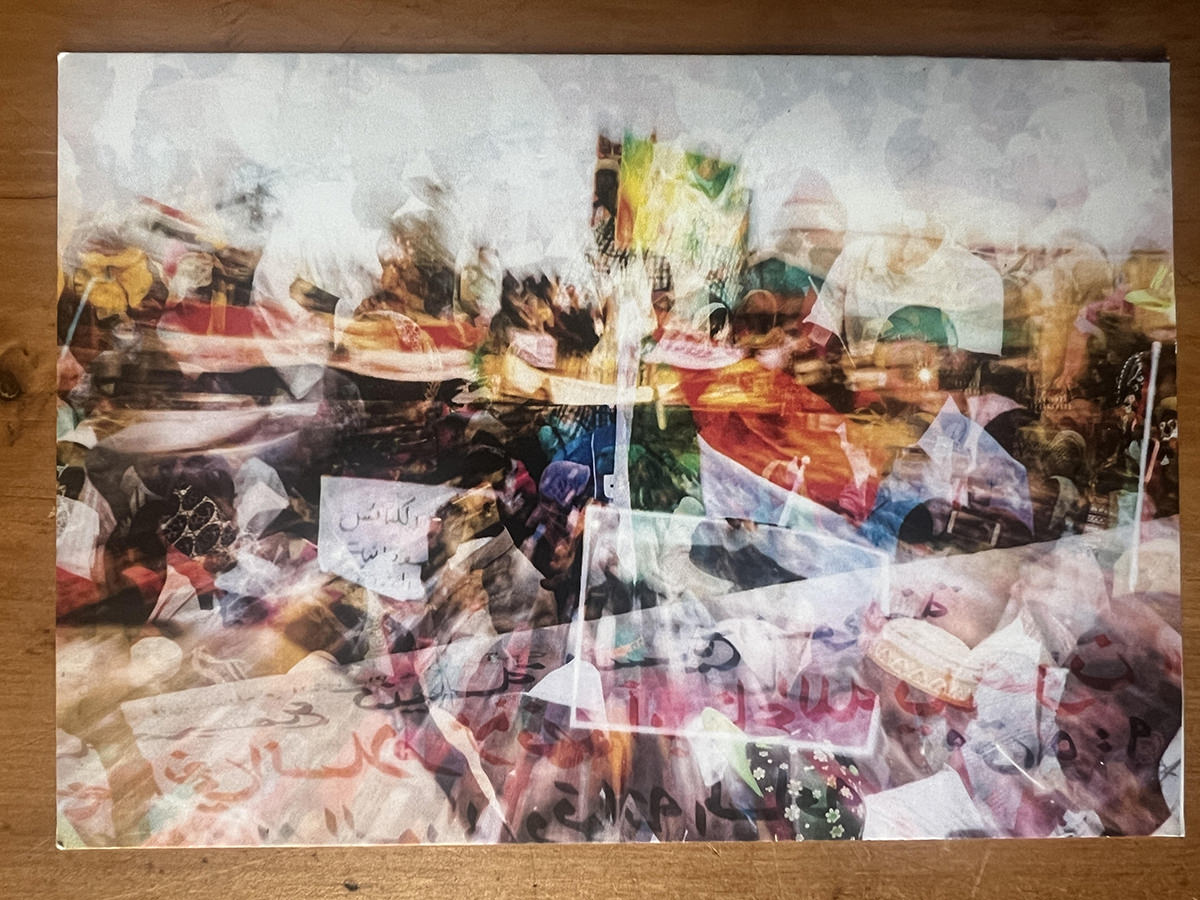
The Nigerian artist Kainebi Osahenye left a strong impression on me; his painting “Falling Tears,” presented by Yenwa Gallery of Lagos, was sold immediately during the preview. From Uganda, I encountered the Borderlands Art Gallery of Kampala, oriented toward social and environmental issues, presenting artists such as Manuela Lara, a multimedia artist from Colombia who combines ecological printing techniques with drawing and natural pigments, and Elsadig Janka from Sudan, whose multiple-exposure photography produces striking psychological intensity.
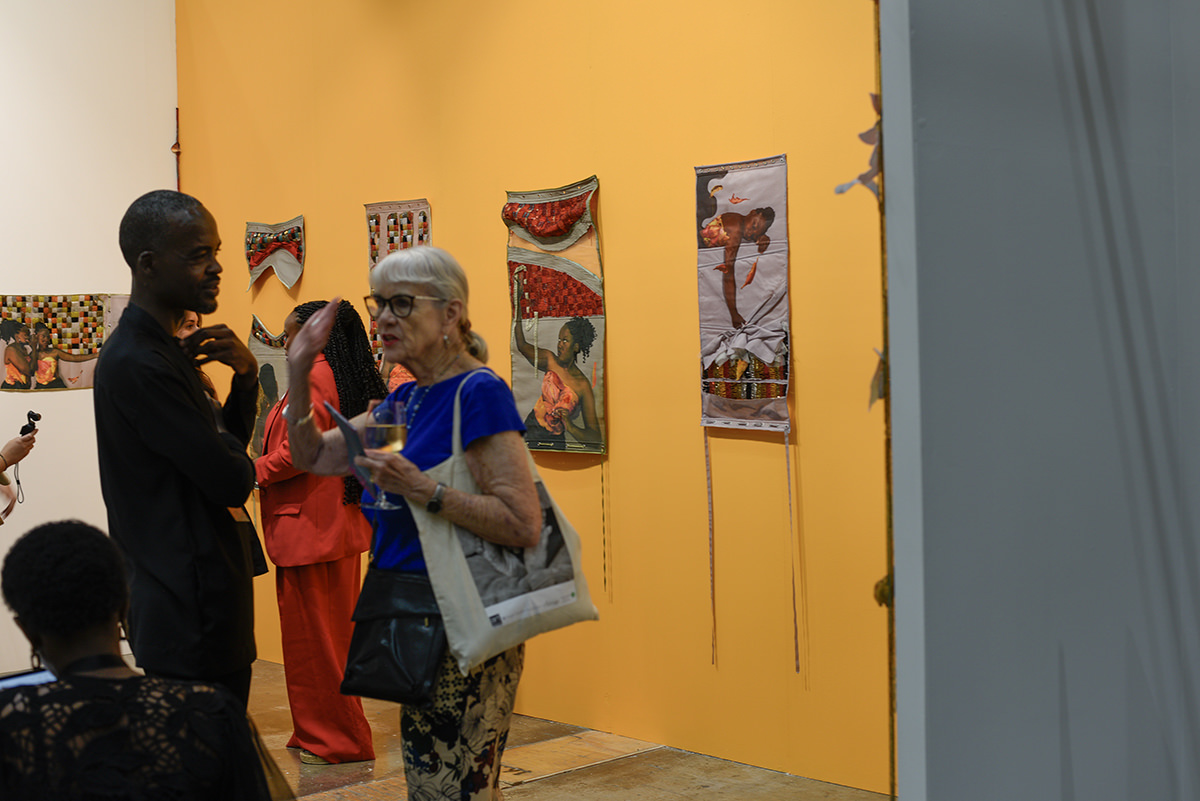
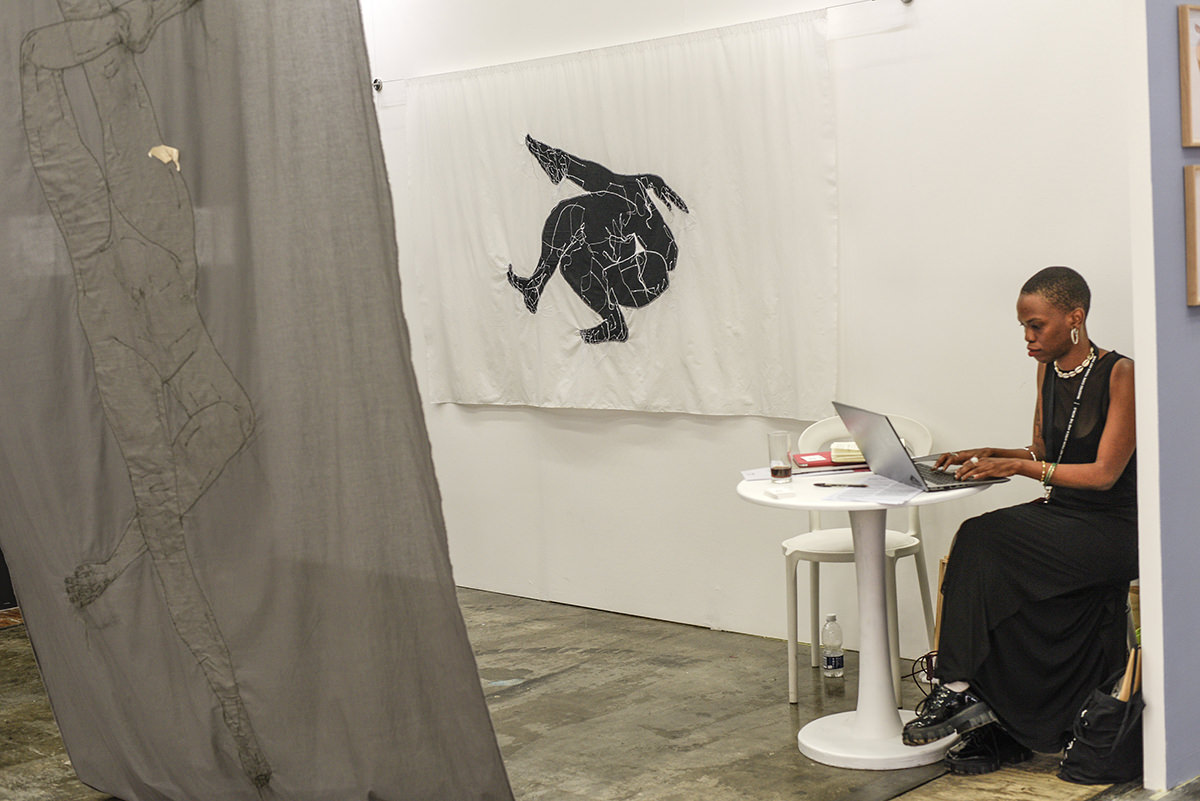
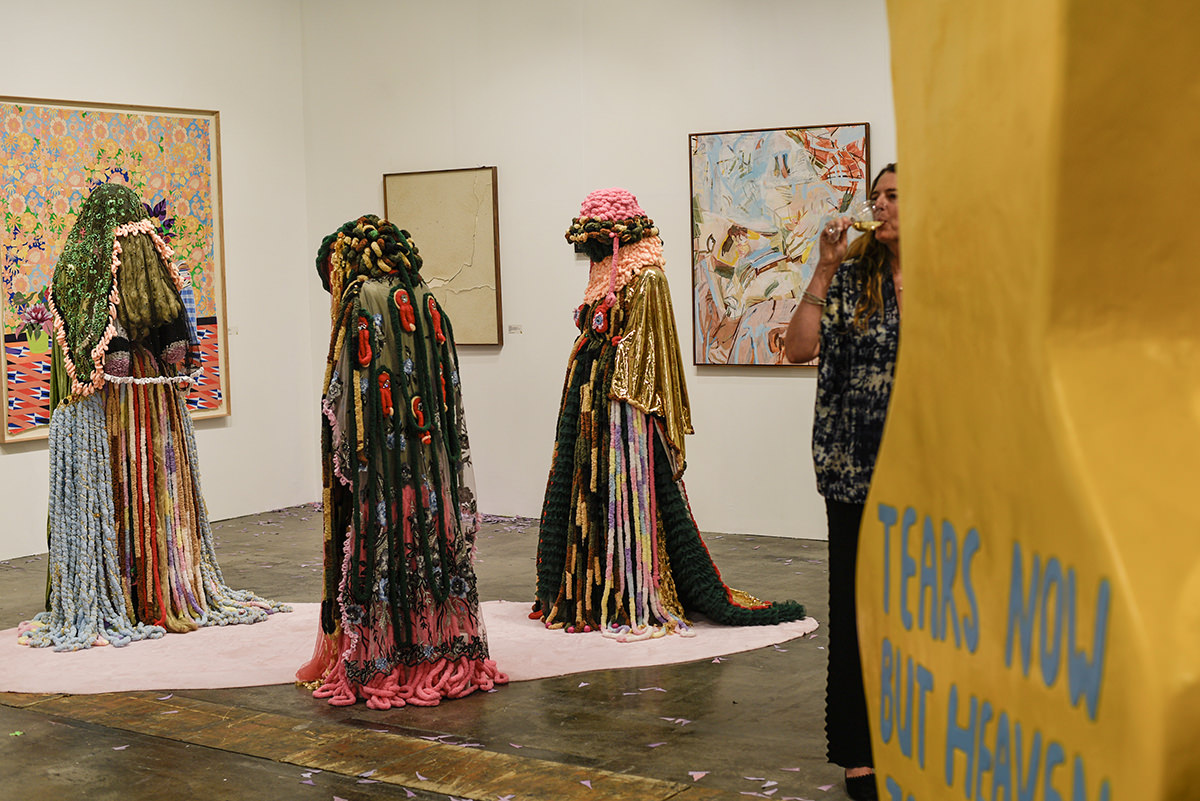
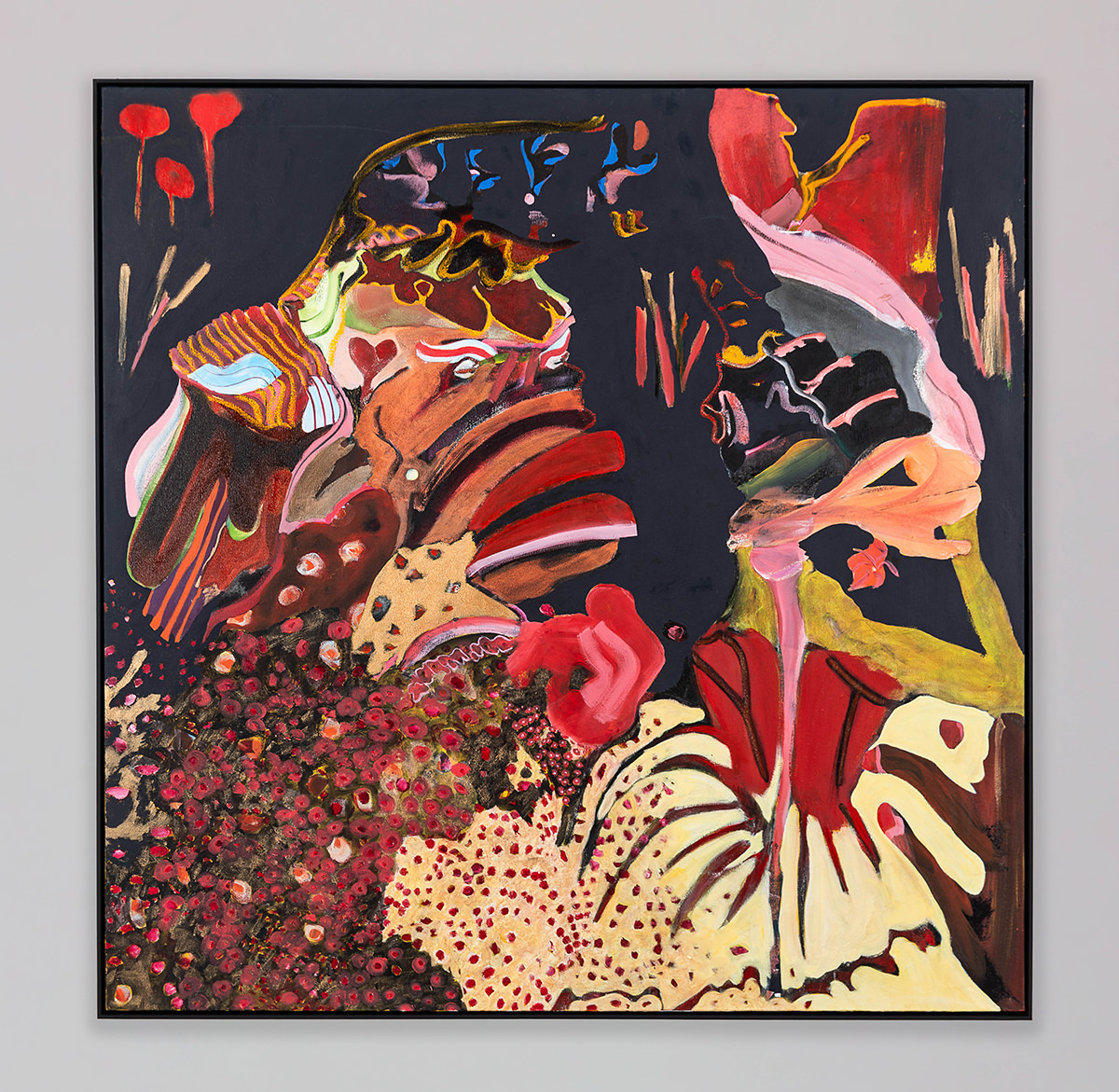
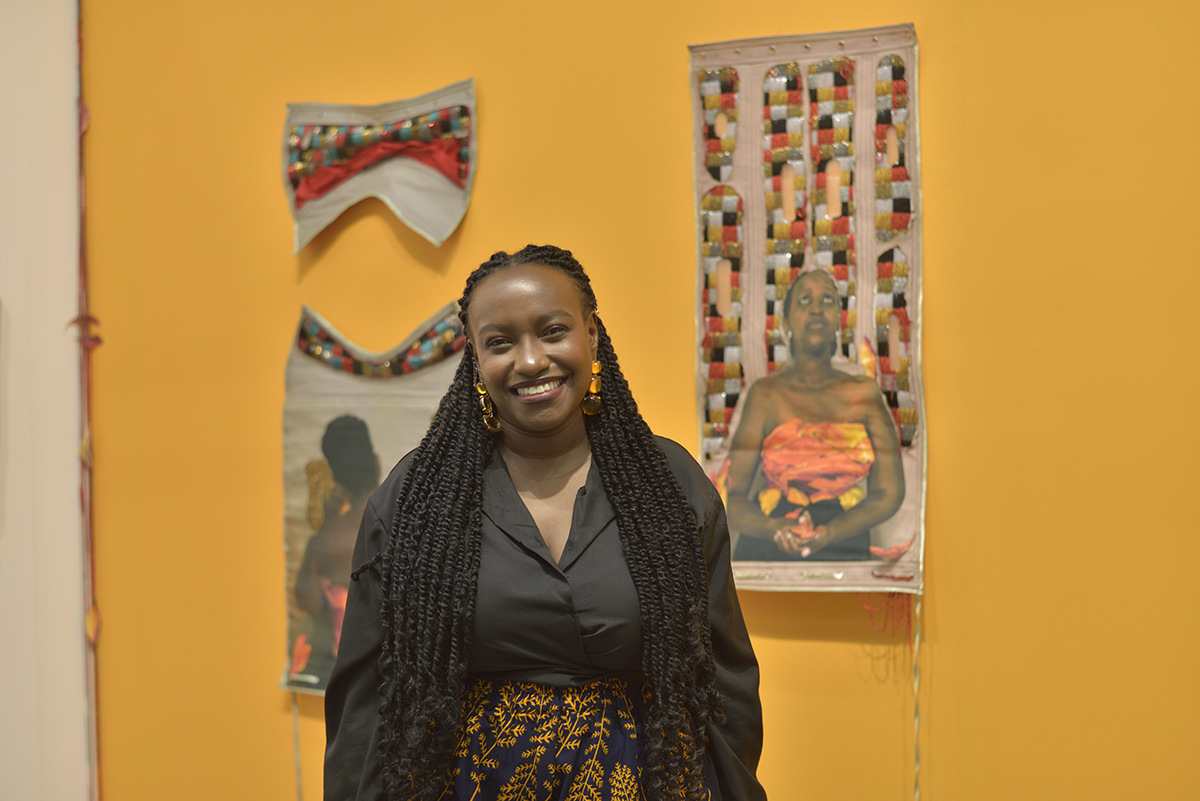
There were also powerful paintings that captured attention across the fair’s expansive halls, including expressionist works by Cyrille Chamayou, represented by Candice Berman Gallery in Johannesburg. Although textile art is not usually my focus, I found myself moved by the refined presentation of Charlene Komuntale in her solo exhibition with Afriart Gallery of Uganda.
The fair was not only about artworks, but also about the people who animated the space — visitors who themselves seemed like living compositions within this dynamic cultural environment. I left with my mind full of images, reflecting on the immense organizational effort behind such a complex and expansive event.