What is the Camerapixo Press Knowledge Center?
The Camerapixo Press Knowledge Center is a structured learning environment that combines articles, audio narrations, and practical tools to help photographers, content creators, and independent professionals develop real-world skills. It is designed to connect knowledge with application, supporting both creative and professional growth.
What kind of content can I find in the Knowledge Center?
The Knowledge Center covers four main areas: Photojournalism, Business & Tools, Publishing & Media, and Insurance & Protection. The content focuses on how modern creative and media work actually operates, including workflows, decision-making, client interaction, publishing processes, and professional standards.
Who is the Knowledge Center designed for?
The platform is intended for freelance photographers, content creators, small business owners, drone operators, and individuals working independently with visual media. It is especially useful for those who want to combine creative work with practical skills, business awareness, and long-term career development.
How is the Knowledge Center structured?
Each section of the Knowledge Center follows the same internal structure, allowing users to learn in a consistent way across different topics. Articles are organized into four segments that move from understanding fundamentals to applying knowledge in real-world scenarios, making it easier to navigate and build skills step by step.
Are the articles available in audio format?
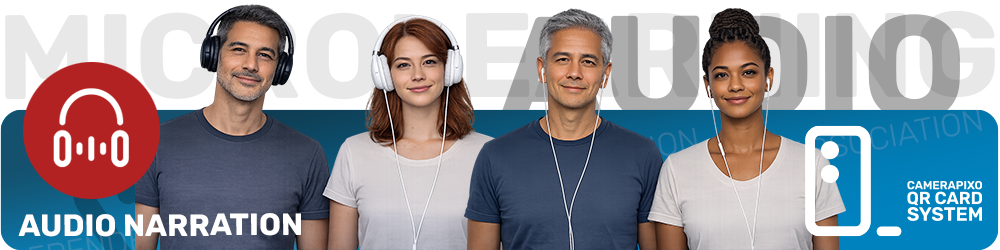
Yes. Every article is also available as a full audio narration. Each main section has its own dedicated Audio Library, where content is grouped by topic and learning segment. This allows users to continue learning in a more flexible way, especially during travel, fieldwork, or daily routines.
What is the purpose of the Audio Library?
The Audio Library is designed to support a microlearning approach, where users can absorb knowledge through short, structured audio content. It mirrors the written articles and ensures that learning can continue without the need to read, making it practical for real-world use.
How are tools and QR CARDs connected to the Knowledge Center?
Many topics are supported by additional tools and resources that are connected through QR-based access. These tools are designed to be used in real situations, such as client work, field assignments, or business operations, extending the value of each article beyond theory.
Is the Knowledge Center free to use?
Most of the content is publicly accessible and designed to provide valuable, practical knowledge. Some advanced tools, structured materials, and extended learning resources may be available through membership or within the Camerapixo Press Online Academy.
What is the difference between the Knowledge Center and the Online Academy?
The Knowledge Center provides accessible, structured content that introduces topics and explains how things work in practice. The Online Academy builds on that foundation by offering more advanced learning paths, guided lessons, and deeper educational materials for those who want to develop their skills further.
How can the Knowledge Center support my career development?
The Knowledge Center helps users understand how to operate professionally, make informed decisions, and build sustainable workflows. It focuses on practical application, helping individuals move from learning concepts to using them in real projects, collaborations, and business situations.
Is the content based on real professional experience?
Yes. All materials are created based on long-term experience in publishing, visual communication, and working within professional media environments. The goal is to provide reliable, experience-based insights rather than general or purely theoretical information.
Where should I start if I am new to the platform?
The best way to start is by choosing the section that matches your current goals. Whether the focus is on developing visual storytelling skills, growing a business, understanding publishing, or protecting your work, each section provides a clear entry point and a structured path forward.