




All About Photo Presents ‘Fading Shehuo’ by Chris Yan
Fading Shehuo Chris Yan
Ancient Rituals, Fading Echoes: Chinese Photographer Chris Yan Documents the Fragile Survival of Shehuo Traditions in Northwest China
A powerful visual exploration of memory, identity, and cultural resilience in rural China
Rooted in thousands of years of history, Shehuo is one of China’s oldest and most vibrant folk traditions — a spectacular Spring Festival celebration born from ancient worship of land and fire. Combining ritual, performance, music, dance, and communal gathering, Shehuo has long served as both a festive celebration and a living embodiment of rural Chinese identity. Today, however, this deeply symbolic tradition stands at the edge of disappearance.
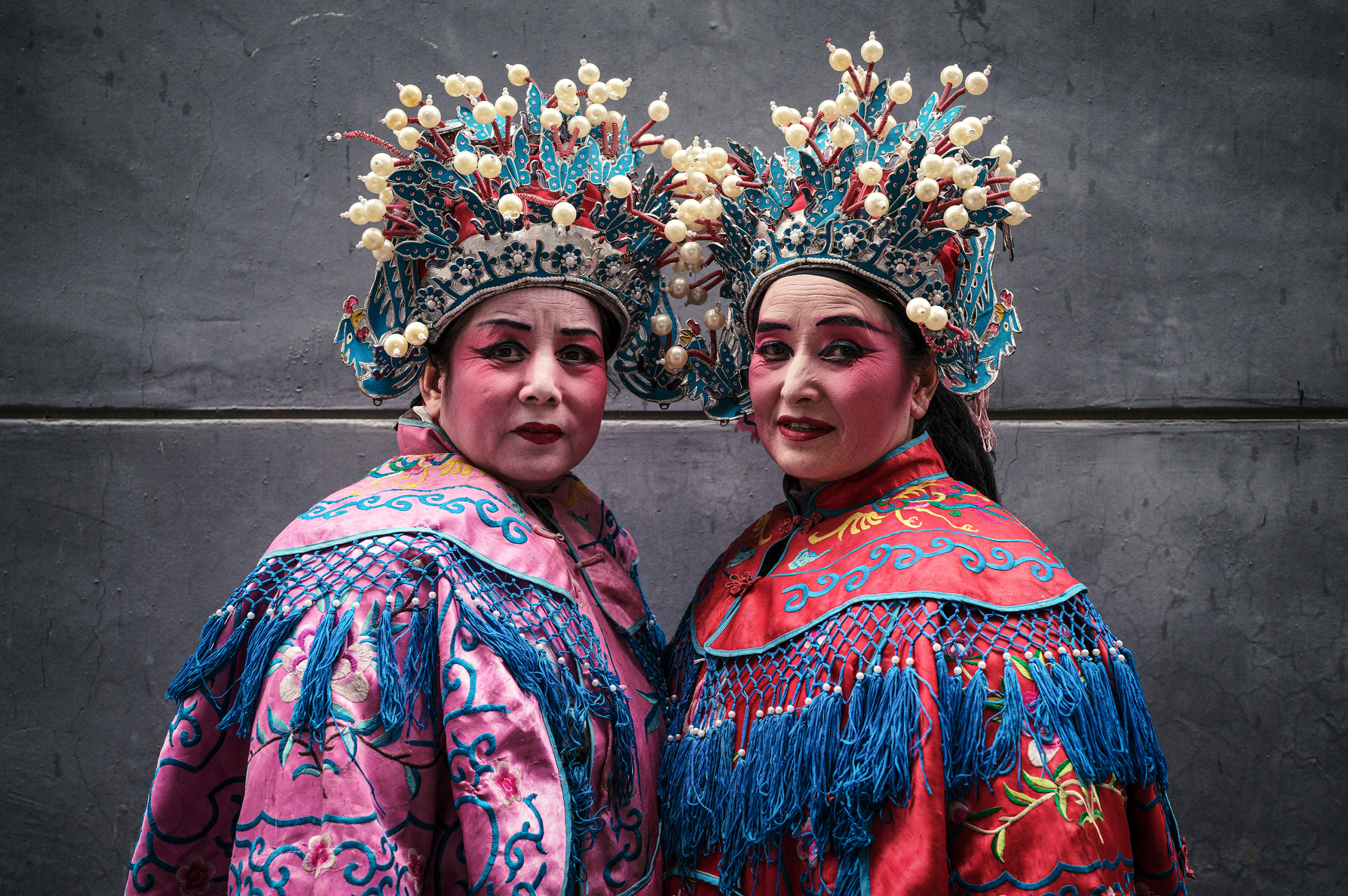
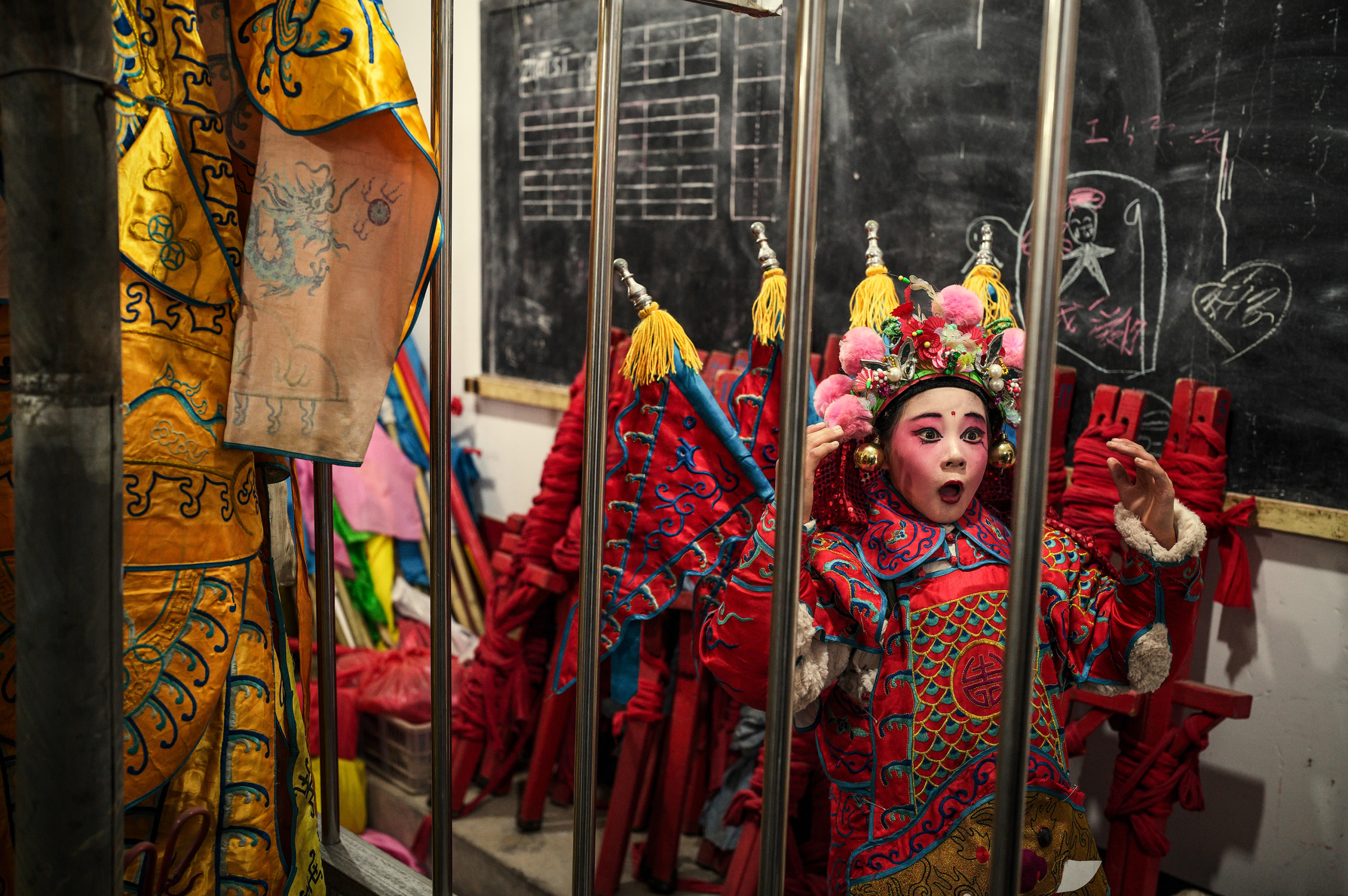
In his latest photographic series, Shehuo, Chinese photographer Chris Yan captures the emotional intensity and cultural significance of this endangered folk practice across the villages and towns of Northwest China. Through intimate portraits, atmospheric scenes, and documentary-style imagery, Yan reveals a world suspended between continuity and erosion — where ancestral traditions persist despite the profound transformations reshaping rural life.
Originating from early agricultural civilizations, Shehuo evolved over centuries into a cornerstone of communal life during the Lunar New Year. More than entertainment, it became a spiritual and cultural ritual that preserved collective memory, strengthened social bonds, and connected generations through shared performance and belief.
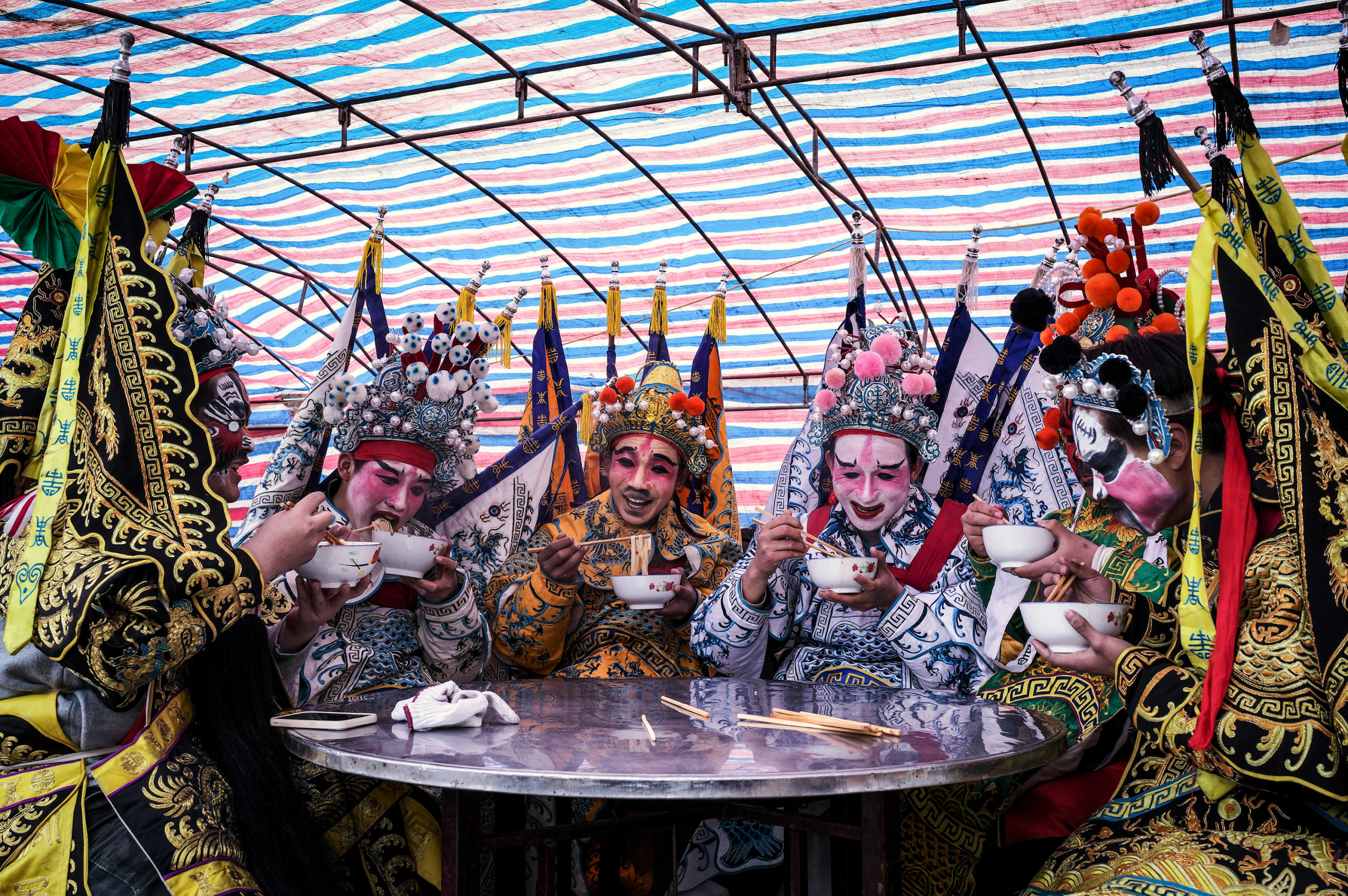
Yet rapid urbanization has dramatically altered the social fabric of rural China. As younger generations migrate to cities in search of economic opportunity, villages are increasingly left aging and depopulated. Far removed from their hometowns, many young people lose connection with traditional customs such as Shehuo, while the demanding years of training required to master its performances offer little financial incentive for continuation.
The result is a growing inheritance crisis. The drums, masks, costumes, and processions that once filled the countryside with energy and celebration are slowly fading into silence.
And yet, each Spring Festival, Shehuo still returns.
Against all odds, villagers continue to gather in town squares and narrow rural streets to perform these rituals with sincerity and devotion. For many communities, Shehuo remains more than a tradition — it is an act of remembrance, resistance, and hope. Through these celebrations, local people hold onto a sense of belonging and pray that the warmth, spirit, and cultural depth embedded within Shehuo can survive the pressures of modernity
.
Rather than approaching the subject through nostalgia alone, Chris Yan’s photographs examine the fragile tension between disappearance and endurance. His work highlights not only the visual richness of the performances, but also the emotional landscape surrounding them: the pride of aging performers, the anticipation of gathered crowds, and the quiet uncertainty about whether these traditions will continue into the future.
With Shehuo, Chris Yan creates both a documentary record and a poignant meditation on cultural preservation in contemporary China — a testament to the communities determined to keep their heritage alive, even as the world around them rapidly changes.
About Chris Yan
Chris Yan is a photographer and creative director born in Beijing in 1981. He earned his degree in Art and Design from the Communication University of China. Early in his career, he served as Art Director and Creative Director at renowned international advertising agencies, including Dentsu, JWT and Leo Burnett. In 2013, Chris established his own studio, where he focused on commercial design and artistic creation, and officially embarked on his photographic journey. Centering his practice on humanistic documentary and street photography, he has traveled across diverse countries over the past decade to capture authentic social moments. Currently, he resides and works in Beijing.
Visit the full gallery exhibition on all about photo.